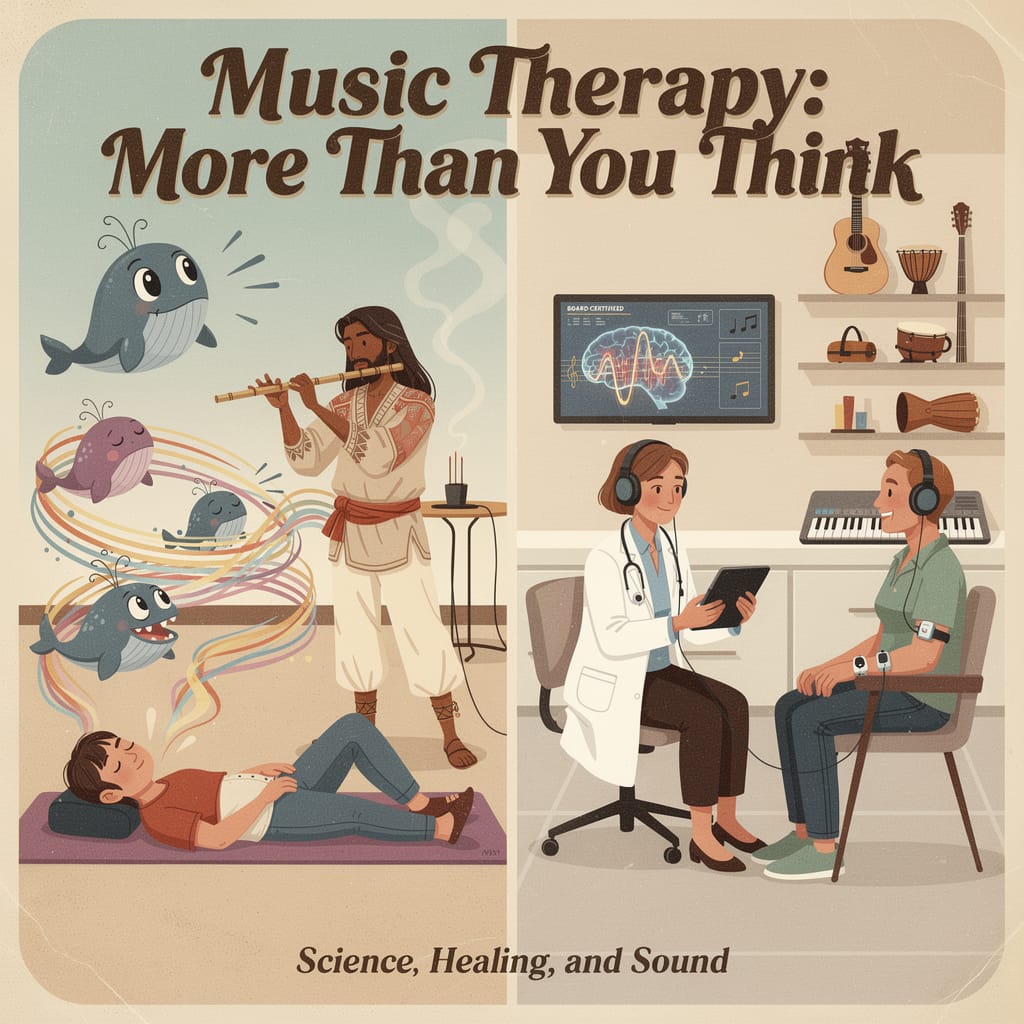
Music Therapy To Enhance Mental Clarity
Music therapy is one of those intriguing practices that blend art with science, creating a symphony of healing and wellness. At its core, music therapy is a clinical use of music interventions designed to accomplish individualized goals. It’s more than just listening to your favorite tunes; it’s a structured process involving a trained therapist and a careful selection of music interventions. This isn’t a modern-day invention, though. Its roots dip deep into history, tapping into centuries of using music as a tool for emotional and psychological healing.
The process of music therapy is fascinating. It begins with an assessment where a qualified music therapist evaluates the individual’s needs. Then, a tailored plan is created, incorporating different musical elements such as singing, playing instruments, and rhythmic exercises. What’s cool is that each plan is unique, crafted based on the individual’s preferences and therapeutic goals. This isn’t just guesswork; there’s a hearty science behind it all, relying on established therapeutic practices and the intrinsic emotional power of music.
Music therapists are the conductors of this process. Certified and trained to understand the nuanced relationship between music and healing, they guide individuals on their path to mental clarity. These pros utilize their deep understanding of both music and psychology to select appropriate interventions, from vibroacoustic therapy to guided imagery with music. People tend to underestimate the formal training these therapists undergo, but their expertise is critical in crafting sessions that are safe and effective.
Seeing music therapy in action can be pretty enlightening. Think of it this way: just like how a particular song can bring back memories or lift your mood, therapists harness such power to address specific mental health goals. This personalized approach is where music therapy shines the brightest, offering not just relaxation but a pathway to achieving greater mental clarity and overall mental health improvement.
The Connection Between Music and Mental Processes
The magic that music works on the brain can feel almost mystic yet it’s backed by science. Music has a unique way of tapping into our neural circuits, serving as a stimulus that can alter our cognitive functions. It’s not just about hitting the right notes, it’s about how those notes interact with our brain’s chemistry.
Auditory stimuli, such as music, have been shown to affect brain waves significantly. When you listen to music, certain areas of your brain, such as those responsible for memory and emotions, light up. This activation not only boosts creative thinking but also enhances problem-solving abilities, giving you that mental clarity we often strive for.
Research in this field has painted a pretty compelling picture. Certain studies have highlighted how listening to rhythmic music can synchronize brain waves, promoting more efficient connectivity between different brain regions. This can boost overall cognitive performance, allowing for clearer thought processes and sharper mental acuity.
Understanding the neurological basis of music therapy helps in appreciating its role in mental clarity. When we listen to music, our brains release dopamine, a neurotransmitter related to pleasure and reward. This biochemical response can lead to improved mood and decreased stress, laying a fertile ground for better mental clarity. A relaxed mind, as they say, works better.
The neuroscientific insights into music’s impact on our brain provide a foundation for how music therapy achieves its goals. By entraining the brain to follow certain patterns of sound, music therapy can help unlock aspects of the mind that are usually clouded, guiding individuals towards better cognitive functioning. It’s like finding that perfect station on a slightly fuzzy radio, suddenly everything comes through loud and clear.
Practicing Music Therapy for Enhancing Mental Clarity
Implementing music therapy techniques in your routine can significantly enhance mental clarity. It’s not just about sitting in a quiet room with headphones, although that helps too. There’s a range of practices aimed at stimulating your mind in healthy, constructive ways.
Techniques like guided imagery music therapy often involve listening to specific tracks while visualizing peaceful scenarios. This method doesn’t just calm the nerves; it trains your mind to focus, creating a clearer mental path for everyday thinking. Another popular technique is playing instruments, which requires focus and coordination. You don’t need to be Beethoven to pick up a guitar or a keyboard. The act of playing itself offers therapeutic value, engaging both cognitive and motor skills.
Creating your music therapy plan is another creative process. Start by identifying what you need most—do you need to relax, focus, or energize? Based on that, select music styles or specific tracks that resonate with those goals. Classical music and nature sounds are commonly used for relaxation, whereas upbeat genres might energize and motivate.
Incorporating mindfulness with music can elevate the effects of therapy. Simple exercises like mindful listening—where you focus on each note, harmony, and rhythm—can enhance concentration and awareness. This method, when practiced regularly, enhances mental clarity and can become your mental workout routine.
Always remember, what works for one person might not work for another. Experimenting with different types of music and techniques is key to finding what truly brings clarity to your mind. Sometimes a mix of styles and methods yields the best results, offering a balanced approach to therapy that fits seamlessly into your life.

The Psychological Benefits of Music Therapy
Music therapy doesn’t just clear the fog over your mental processes; it also acts as a soothing balm for your emotional well-being. The psychological benefits of engaging with music therapy are vast and multifaceted, offering a viable method to alleviate everyday stress and anxiety.
One of the key ways music therapy helps is by reducing stress levels. When you engage with calming music, your body responds by slowing the heart rate and reducing cortisol, the body’s main stress hormone. This physiological response leads to a sense of calm and relaxation, helping to maintain a clearer mental state even amidst life’s chaos.
Anxiety, which plagues many, can be managed effectively with music therapy. Specific music interventions designed to reduce anxiety often incorporate nature sounds or instrumental melodies that provide a mental escape. This escape isn’t about running from problems but creating a serene environment where the mind can process and deal with stressful thoughts constructively.
Improving concentration is another hallmark benefit of music therapy. Whether it’s through rhythmic drumming or listening to certain types of music designed to focus the mind, these exercises enhance attention span and cognitive control. This improvement in concentration contributes directly to mental clarity, making tasks seem less daunting and more manageable.
Real-life case studies offer testimony to the potency of music therapy. Individuals suffering from cognitive impairments or mental health challenges often report significant improvements after music therapy interventions. These testimonials illustrate a road to clarity that’s not just built on theoretical principles, but real-world evidence of success.
Music therapy serves as a reminder that sometimes, the keys to mental clarity lie in the harmonious blend of sound and mindfulness. By calmly integrating these therapies into your life, you’re opening up new avenues for psychological well-being and enhanced cognitive performance.
Integrate Music Therapy Into your Daily Life
Incorporating music therapy into your daily routine can be seamless and incredibly rewarding. The flexibility of music therapy means it can fit into various lifestyles, making it accessible for anyone looking to improve mental clarity and well-being.
Start by setting a specific time every day dedicated to your music therapy practices. This could be a morning routine to energize you for the day ahead or an evening ritual to unwind and reflect. Consistency is key; making this time a habitual part of your routine ensures the maximum benefit.
Selecting the right genre is crucial. While classical music and ambient sounds are popular for relaxation and concentration, the right music varies for everyone. Whether it’s jazz, pop, or even specific meditative tracks, your preferred genre should resonate with your personal taste and therapeutic goals.
In today’s digital age, there are plenty of tools and apps designed to bring music therapy into your home. Applications like Headspace and Calm offer guided music therapy sessions that can help you focus, meditate, or relax. Services like Spotify also have curated playlists for different therapeutic needs, ensuring you have access to the right kind of music when you need it.
Incorporating music therapy doesn’t require a complete lifestyle overhaul. Simple changes, like listening to curated playlists while commuting or during breaks, can gradually build into a comprehensive therapy routine. Over time, these small integrations can significantly enhance your mental clarity and emotional well-being.
Remember, the journey with music therapy is personal. Adjust your techniques and choices as needed, and be patient with yourself. As you become more attuned to what suits your needs, the clearer your path to a focused and relaxed mind will become.
Real-life Stories? Transformative Experiences with Music Therapy
Personal stories from those who’ve embraced music therapy reveal its transformative power. These anecdotes serve as powerful reminders of music’s potential to clear the mental haze and inspire.
One story might begin with an individual struggling with overwhelming anxiety. Through music therapy, they begin to find peace and clarity using carefully selected soundscapes that calm their racing mind and help reconnect with a balanced state of being.
Another experience could revolve around enhancing focus and productivity in everyday tasks. With a structured music therapy plan, someone might see their concentration levels peak, allowing them to tackle challenging tasks with newfound ease.
Real-life case studies also include individuals overcoming severe mental health issues through regular music therapy sessions. The guidance of a trained music therapist and carefully curated musical interventions can lead to significant improvements, illustrating the therapy’s practical benefits.
Transformations witnessed in these stories highlight the broader potential of music therapy. It’s not about finding a one-size-fits-all solution but tailoring the therapy to fit personal needs, weaving it into the fabric of daily life.
Hearing about these successful journeys showcases music therapy as more than just an intervention—it’s a pathway to clearer thinking and emotional resilience. For those considering this therapy, these narratives offer inspiration and insight into its profound impact.
References
American Music Therapy Association (AMTA) – www.musictherapy.org
A national organization that provides information on music therapy, including a directory of certified music therapists.
HealthRhythms – www.healthrhythms.com
An app that uses music-based interventions to improve mental and emotional well-being through drumming and rhythm activities.
Melodic Intonation Therapy (MIT) – N/A
A technique used by music therapists to help individuals with speech and language dynamics through melodic and rhythmic components of music.
The Sound Health Network – www.soundhealthnetwork.org
A resource for finding certified music therapists and understanding the benefits of music therapy in various healthcare settings.
NMT (Neurologic Music Therapy) – N/A
A specialized form of music therapy that utilizes music to help regain cognitive and motor functions in individuals with neurological impairments.
Smule – www.smule.com
A social singing app that encourages musical expression and connection with others, often used in therapeutic settings to enhance mood and improve social skills.
MusicHarbor – www.musicharbor.com
An app that keeps users updated on their favorite artists, which can facilitate discussions and promote emotional connections through shared musical interests.
Guitar Center Music Foundation – www.guitarcentermusicfoundation.org
Provides resources for music education and therapy to support healing and wellness through music engagement.
Shop tip
Sound wave therapy for ptsd on Amazon
Thank you for spreading the word!
Create your own website
And learn how to monetize it

Heads up! If you’re looking to join Wealthy Affiliate, make sure you sign up using my referral link to get access to my personal coaching and all WA features."