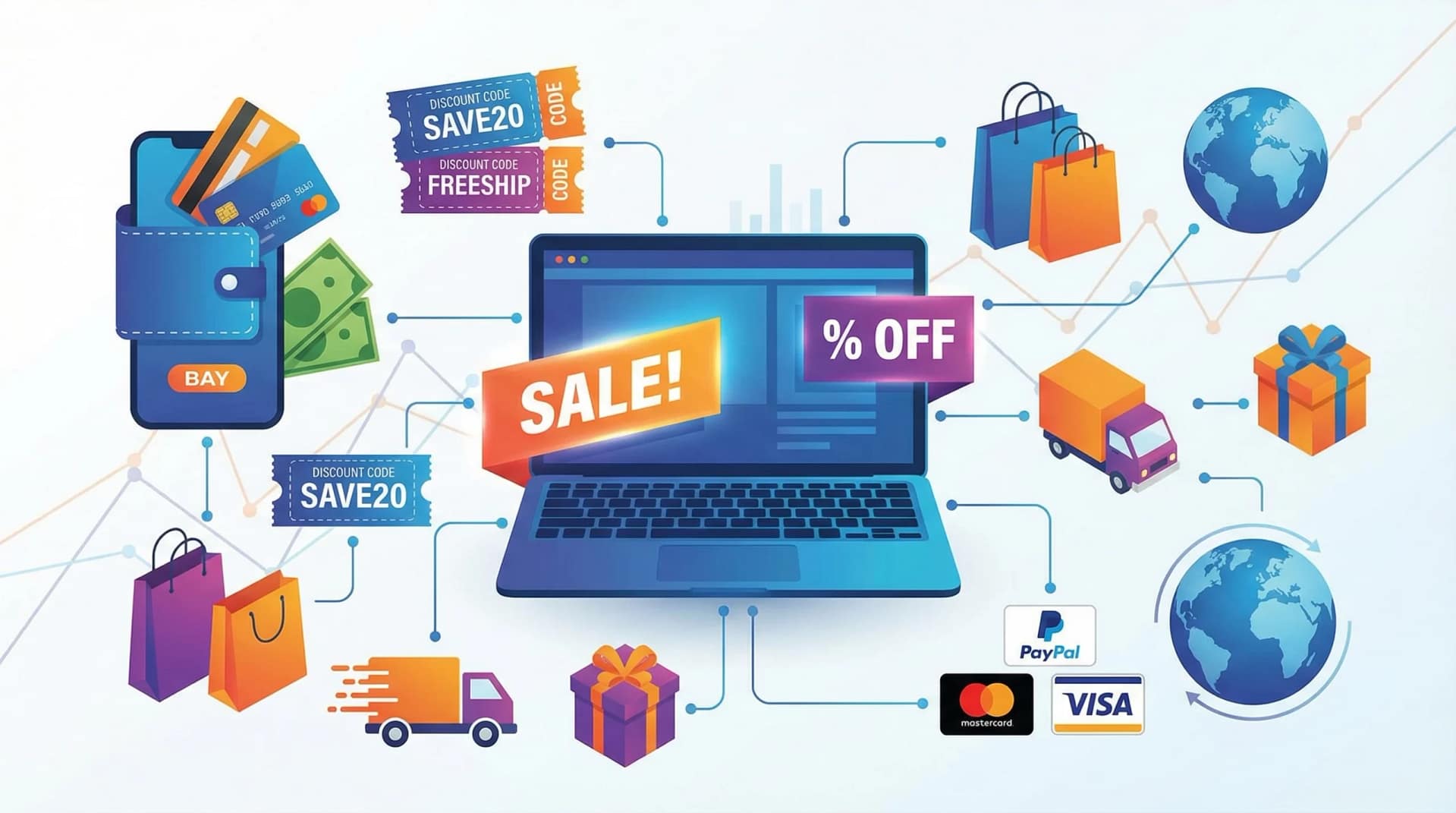
The world of online retail has changed significantly in just a few years, and the pace of transformation is only getting faster. Smart tech, new spending habits, and creative business models keep shaking up the way we shop and sell online. With these changes in mind, I’ve pulled together some key predictions for the future of online retail, so you can get ready for what’s coming next.
Smart Technology Shapes the Shopping Experience
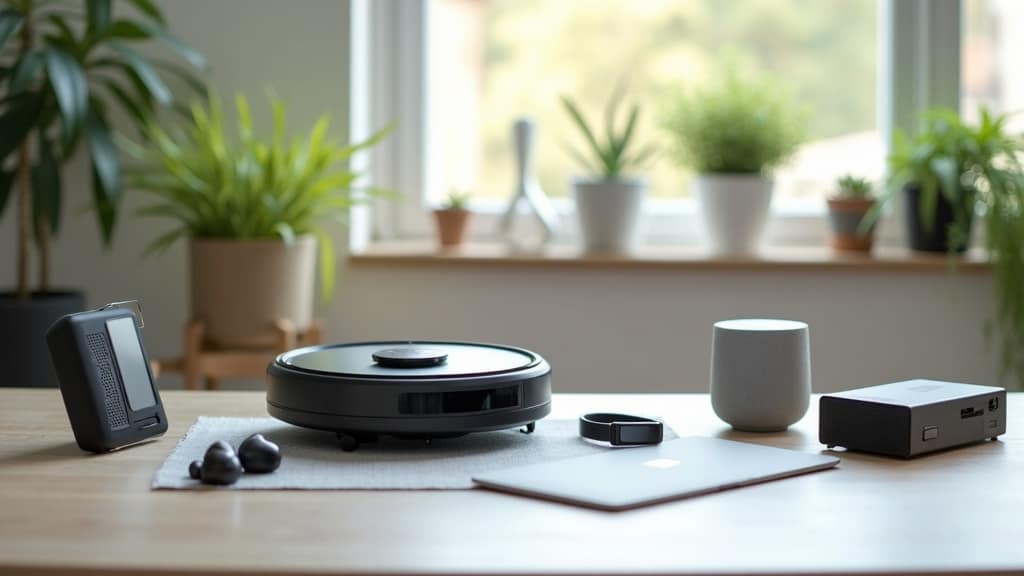
Artificial intelligence (AI) and automation keep changing how online shops operate and how customers experience shopping. Personalized recommendations used to be a nice touch, but now they play a bigger role in helping shoppers stumble upon new products they’re more likely to love. I often see platforms using machine learning to predict what you want, sometimes before you even know you need it.
AI isn’t limited to recommendations. Chatbots, for example, have gotten better at helping with questions and guiding people through checkout. Many retailers use them to respond to issues on the spot, making things faster and more enjoyable when you need support. Automated warehouses and smart logistics are streamlining shipping, so packages arrive sooner with more accurate tracking details.
Voice recognition technology is also gaining traction, making it possible to shop using just your voice. Imagine being able to order your weekly groceries or reorder a favorite product simply by speaking to your device. This not only makes shopping more convenient but also sets the stage for a truly customized and hands-free experience.
Changing Expectations for Delivery and Fulfillment
Speedy shipping continues to impact how shoppers pick where to spend. Over the next several years, same-day delivery and even one-hour windows are expected to become much more common in big cities. Companies are investing in local warehouses and robotic fulfillment centers so distribution can happen closer to the shopper. For those of us outside urban areas, faster “standard” delivery with better tracking will keep improving as technology gets more connected and efficient.
Flexible fulfillment is catching on, too. Options like buy online, pick up in store (BOPIS) and curbside pickup mean customers get what they want, how they want it. New models let people select their preferred pickup times or even swap delivery locations through convenient apps. These tweaks sound small, but they make online shopping more adaptable and userfriendly.
Subscription models for products, such as recurring orders for pet supplies or household essentials, are also gaining in popularity. With recurring deliveries, shoppers can automate their needs and save time, while retailers can forecast demand more accurately.
Personalization, Privacy, and Customer Loyalty
Personalization has become a big focus for ecommerce. With every click or item you browse, retailers learn a bit more about your preferences. This helps tailor deals, content, and shopping experiences. Custom-curated product pages, dynamic pricing based on loyalty, and targeted emails are popping up everywhere.
There’s a flip side, though—privacy concerns. New regulations like the GDPR in Europe, along with growing consumer awareness, mean companies have to walk a fine line. Users want suggestions and deals that feel personal, but they don’t want it to be intrusive. Retailers that collect data transparently and give people more control over what’s shared build trust, and in my experience, trust keeps people coming back even when options are endless.
Emergence of Augmented Reality and Virtual Shopping
Trying before buying is getting a digital upgrade. Augmented reality (AR) lets you see what that chair would look like in your office, or how a pair of sunglasses fits your face, all through your screen. I’ve played around with AR in a few shopping apps, and it really gives a boost to confidence in buying—especially for items like home decor, cosmetics, and clothing.
Virtual storefronts and shopping environments are starting to appear, too. These let you browse shelves, check out product displays, or interact with staff avatars. While fully 3D virtual malls are still pretty new, they’re picking up steam. As these environments get more sophisticated, people will likely spend more “social” shopping time with friends or influencers inside the platform, similar to hanging out at a mall but all from home. This offers a blend of convenience and connection, which could redefine the online shopping adventure.
The Rise of Sustainable and Ethical Shopping
More shoppers are paying attention to how and where things are made, and they care more about a retailer’s carbon footprint. Brands now shine a light on their sustainability practices: recycled packaging, ecofriendly delivery options, and products with environmental certifications are easier than ever to find.
This isn’t just a marketing move. Platforms build in easy ways for shoppers to filter products by sustainability standards, see transparent supply chain info, or donate to causes during checkout. With digital receipts and less wasteful shipping materials, the online shopping experience is slowly getting greener. Retailers who focus on transparency and real action are building stronger connections with people who value these practices.
What to Consider When Adapting to the Future of Online Retail
Steering through the future of online retail brings a few challenges, especially for smaller sellers or those new to the space. Here are some areas I think are worth a closer look:
- Supply Chain Volatility: Global supply disruptions, such as those from the COVID-19 pandemic, really shook up logistics. Keeping suppliers local or having backup suppliers helps smooth out bumps and keep products in stock.
- Cybersecurity: With more data floating around, there’s always risk. Staying up to date with good security practices, two-factor authentication, and secure checkouts keeps your business and customers safe.
- Omnichannel Adaptation: People switch between their phones, computers, and instore experiences. Making sure your branding, inventory, and customer service are seamless across all touchpoints is super important if you want to stand out.
- Returns and Refunds: Fast, fair, and easy return processes make customers more confident in online purchases. Flexible policies and clear instructions help reduce frustration for everyone.
Supply Chain Volatility
I’ve watched even big brands struggle to fulfill orders during supply chain crunches. To manage this, smart inventory tracking and working with multiple suppliers reduces downtime. Communication with customers when delays happen also helps keep frustration to a minimum and maintain trust.
Cybersecurity
Online shopping attracts scammers and hackers. Using trusted payment systems, encrypting data, and educating your team on phishing and fraud trends can protect everyone. Offering visible security badges and assurances on your site gives shoppers peace of mind before clicking “buy.”
Omnichannel Adaptation
I always appreciate when I can start shopping on my phone then finish on my laptop without missing a beat. Retailers using unified systems for customer profiles, wishlists, and inventory create that smooth ride. Apps, loyalty accounts, and messaging tools all play a role in making omnichannel the norm, not the exception.
Returns and Refunds
The easier the return process, the more likely I am to try a new store. Streamlining online returns, offering prepaid shipping labels, and processing refunds quickly boost satisfaction and encourage repeat buying. Businesses that bake these features into their logistics from the start see real payoffs in customer loyalty.
Advanced Tech That’s Changing the Game
The future isn’t just about smoother websites or faster shipping. Some big-picture tech shifts could totally change ecommerce, including:
Voice Shopping: Smart speakers and voice assistants are making reordering basics, comparing prices, or even stumbling upon new products more hands-free. As devices become smarter, people might shop while cooking, cleaning, or multitasking at work.
Blockchain: Secure, transparent systems powered by blockchain tech could make payment and shipment tracking safer and quicker. Some brands already use blockchain to track luxury goods, confirm product authenticity, and support supply chain transparency. As more retailers adopt this approach, shoppers will benefit from enhanced trust and reduced risk of counterfeits.
Social Commerce: Shopping directly inside social platforms continues to grow fast. One-tap purchases, influencer shops, and livestream sales mean people could spend less time on traditional sites and more time buying where they hang out online. I’ve seen this work really well with fashion, makeup, and gadgets. The connection between social media and ecommerce is likely to strengthen, especially as content and commerce blend together even more seamlessly.
The Basics? Where to Start With Future-Proofing Your Retail Strategy
For anyone running an online store or thinking about getting started, keeping your setup flexible and open to new tech changes can make a real difference. Regularly testing new checkout tools, exploring logistics apps, or even just trying out new marketing channels can future-proof your business.
- Stay Educated: Tech and trends can change quickly. Following blogs, newsletters, and industry news keeps you ready to adapt and respond.
- Focus on the Customer: Every upgrade or change should make the experience better. Asking for feedback and running small experiments can guide you in the right direction.
- Build Resilience: Backups, emergency plans, and open communication with both customers and suppliers help keep surprises manageable.
Frequently Asked Questions
Here are some quick answers to things people regularly ask me about the future of online retail:
Question: Will physical stores disappear entirely?
Answer: Not likely. Physical stores are evolving and often team up with online platforms, acting as showrooms, pickup points, or places for unique brand experiences.
Question: How important is it to use augmented reality or other new tech?
Answer: Early adoption can attract curious customers, but it’s more important to use what fits your audience and product type. Testing out new tech in small ways can help figure out what works best for your business.
Question: How do I keep my customers’ data safe?
Answer: Use recognized security providers, keep all plugins and tools updated, and set clear privacy policies. Regular checks and transparency build long-term trust.
Following these developments and staying open-minded about change can help stores of any size thrive as online retail keeps heading toward the next stage. The excitement is in watching what comes next and being ready to mix it up as trends and tech evolve. Whether you’re shopping or selling, these emerging trends are shaping all our digital shopping adventures.
Smart Shopper Guide GPT
Your dynamic, eco-conscious shopping assistant for personalized, sustainable choices.
Thank you for reading, comments and shares!
-

The Best Online Shopping Platforms For Customer Service
-
The Robot in Your Garden
-
Future Predictions For Online Retail
-

The Ultimate Guide To Mindfulness And Wellness
Create your own website
And learn how to monetize it

Heads up! If you’re looking to join Wealthy Affiliate, make sure you sign up using my referral link to get access to my personal coaching and all WA features."