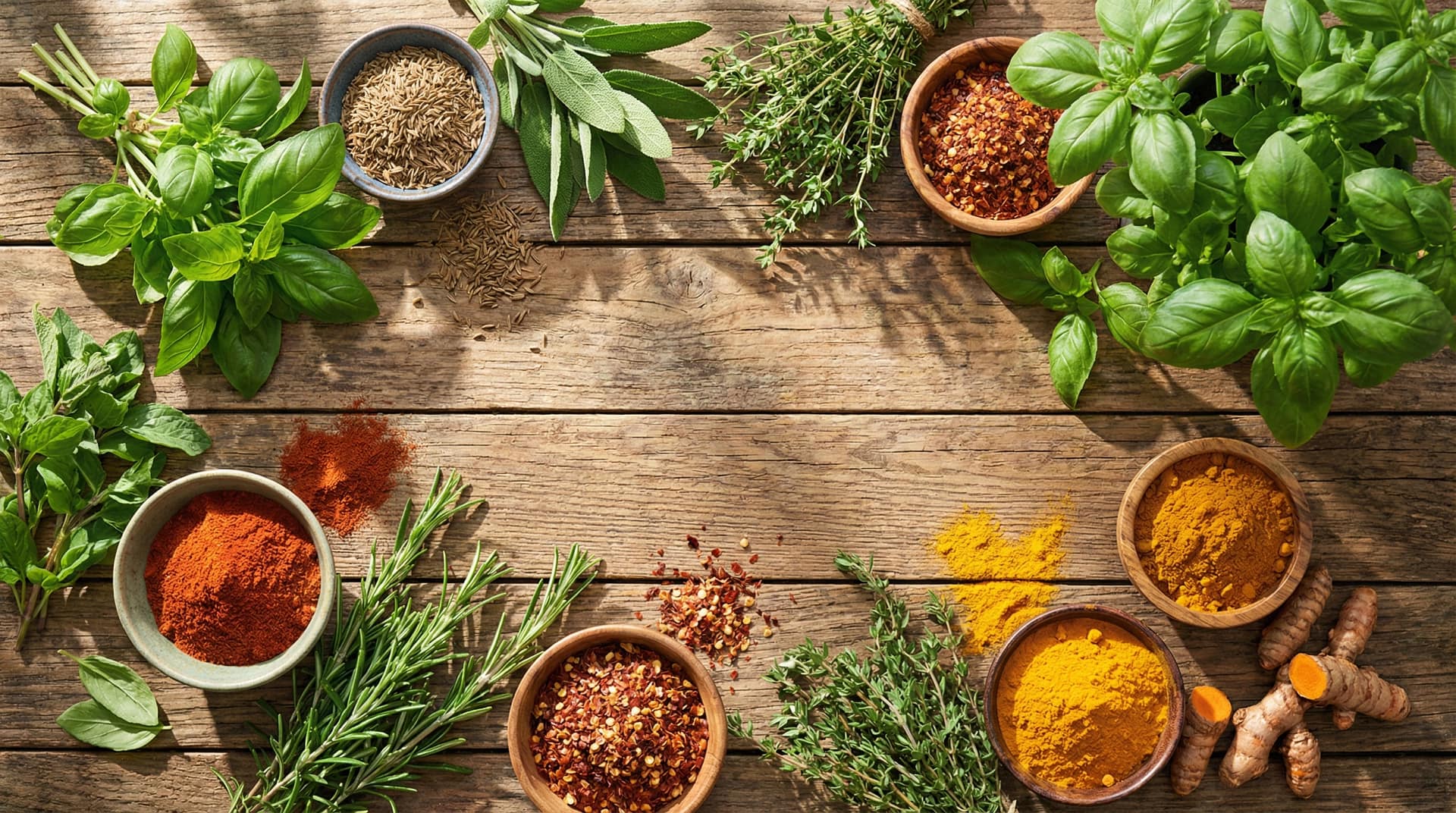
Top 7 Herbs And Spices To Elevate Your Cooking
Herbs and spices are the secret weapons in every tasty dish. Just a pinch or splash of the right one can turn a plain meal into something full of flavor, color, and even a bit of aroma that makes your kitchen smell amazing. If you’re looking to liven up your home cooking, focusing on a few key herbs and spices can take your recipes from basic to impressive.
Why Herbs and Spices Matter in Everyday Cooking
Herbs and spices have played a big part in cooking for centuries, transforming bland ingredients into meals full of personality. Beyond taste, they bring in color, aroma, and can even support your health with antioxidants and nutrients. Plus, cooking with herbs and spices can help you rely less on salt and sugar while still packing your food with flavor.
In my kitchen, even a classic recipe gets a twist depending on whether I add a spark of chili flakes or a dash of fresh basil. These small tweaks can really bring out hidden flavors, helping even simple ingredients taste their best. There’s also a long tradition across different cuisines; think of how Italian food is brightened by oregano and basil or how Indian dishes get depth from curry powders and cumin. These flavors unlock new possibilities in every meal.
On top of added flavor and aroma, certain herbs and spices can offer health perks. For example, turmeric includes antioxidants that support overall wellness, while herbs like rosemary and thyme pack in vitamins and minerals. Spicing up your food can be a tasty way to add little boosts to your meals.
Top 7 Herbs And Spices You’ll Want in Your Collection
Building a little lineup of versatile herbs and spices is a smart move for any home cook. Some work across nearly every cuisine, while others pack a punch in specific dishes. Here are my favorites, with tips for using them, so you can make the most out of every sprinkle and chop.
- Basil: Fresh basil brings brightness and a hint of sweetness perfect for Italianstyle sauces, caprese salads, and homemade pesto. Dried basil works well when simmered in soups and tomato stews.
- Cumin: Its warm, earthy flavor is especially popular in Mexican, Middle Eastern, and Indian cooking. I toss a bit of ground cumin into roasted veggies, tacos, or even eggs for a flavor boost.
- Rosemary: With a piney, savory taste, this herb shines in roasted potatoes, breads, and Mediterraneaninspired chicken dishes. It’s pretty strong, so a little goes a long way.
- Chili Flakes: Perfect for adding a gentle heat and a pop of color. I sprinkle chili flakes onto pizza, stirfries, pastas, or even scrambled eggs when I want a little extra kick.
- Turmeric: Not just for curry! Its golden color and earthy flavor show up in rice, soups, and even pickling liquids. Plus, turmeric gives your food that sunbright hue and brings in loads of antioxidants.
- Paprika: Sweet or smoked, paprika gives dishes a deep color and subtle warmth. I use it for deviled eggs, stews, or as a coating on roasted chicken or fish.
- Thyme: This herb is super flexible, working in stews, roasts, and even on roasted veggies. It pairs well with other herbs and stands up to long cooking times, adding a woodsy note to your recipes.
Once you have these staples, you’ll find yourself reaching for them again and again. Mixing and matching a couple of these at a time can really change up the style of your cooking, making even the most basic ingredients fresh and exciting.
Get Started orbHow to Use Herbs and Spices in Your Cooking Routine
Jumping into the world of herbs and spices might feel like a big leap, especially if you’re used to following recipes by the book. But you don’t have to overhaul your whole pantry. Start with small steps and notice how every new addition changes a dish.
- Experiment in Small Doses: Try adding a pinch of one new spice or herb to a dish you make often, like adding cumin to ground beef for tacos or sprinkling fresh basil on your pasta. You’ll notice tiny changes that make a big difference.
- Use Fresh When You Can: Some herbs, like basil or parsley, have the brightest flavor when fresh. Others, like thyme or rosemary, are fine dried. Taste as you go and see what matches your style.
- Start Simple Blends: Dreaming of a classic Italian or Mexican flavor? Try mixing a few staples: basil and oregano for pasta sauce, or cumin and chili powder for taco night. You don’t need fancy blends right away.
- Toast Your Spices: Toasting whole spices in a dry pan for a minute brings out natural oils and boosts their flavor. Try this with cumin, mustard seeds, or coriander before you grind them or add them to your dishes.
What to Think About Before Stocking Your Spice Rack
Stocking your kitchen with herbs and spices can get overwhelming with all the options at the store. Focusing on your style of cooking and your favorite cuisines helps narrow things down. Here are a few things you might want to keep in mind:
- Freshness: Dried herbs and ground spices lose punch over time. Rotate your supply and buy smaller amounts that you’ll actually use. Old, dusty jars just lead to dull meals.
- Storage: Keep your spices in a cool, dry place, preferably in airtight containers. Sunlight and steam from your stovetop break down flavors fast. I use a little spice drawer away from the oven for this reason.
- Budget: Fancy blends are tempting, but most basics are affordable when bought in small quantities. If you’re unsure, buy from bulk bins or local spice shops.
- Quality: Not all spices are created equal. When you open a jar, you should be able to smell that distinctive aroma right away. If it smells faint or off, time to grab a fresher batch.
Freshness Matters
I’ve learned (sometimes the hard way) that using old, faded basil or stale cumin just doesn’t deliver. Buying smaller bottles and using up what you have before restocking helps keep your food vibrant and full of flavor.
How to Store Your Herbs and Spices
Keeping herbs and spices away from heat and light protects their quality. Mason jars, spice tins, or sealed packets all work well. I avoid storing them above the stove or on an open shelf that catches sun; this really helps keep those flavors strong.
Another option is to store some fresh herbs in the fridge, wrapped in a damp paper towel and tucked in a resealable bag. This method keeps leafy green herbs like cilantro, parsley, and basil fresher for longer, so you can have a pop of flavor whenever you need it.
Pro-Tips for Cooking With Herbs and Spices
Getting more adventurous with herbs and spices leads to better-tasting food and more fun in the kitchen. Here are a few tricks I keep in mind:
Add Dried Herbs Early: Dried herbs release their flavors slowly, so throw them into your sauce, soup, or marinade while it cooks. This gives the flavors time to mix in and mellow.
Use Fresh Herbs as a Finish: Fresh herbs like parsley, cilantro, or basil look and taste best added at the end, right before serving. They add a burst of color and a pop of fresh flavor you can’t get from dried.
Layer Flavors: Mixing multiple spices and herbs at different cooking stages can create more complex and rich results. For example, use dried thyme in the stew, then sprinkle fresh parsley on top when you serve.
Balance the Heat: If you love bold flavors but want to keep things family-friendly, start slow with spicy seasonings like chili flakes. It’s easier to add extra heat at the table than to take it out after cooking.
Herbs and Spices in Action: Real-World Cooking Examples
Herbs and spices aren’t just for show; they let you try out different cuisines right at home. Here are three everyday uses that prove how handy these ingredients are:
- ItalianInspired Pastas: Toss pasta with chopped basil, oregano, and a bit of chili flake for a simple but satisfying meal. The herbs really make the tomato sauce shine.
- Mediterranean Roasts: Rub chicken with a blend of paprika, thyme, rosemary, and olive oil. Roast with potatoes and you’ve got a onepan meal bursting with flavor.
- DIY Curry: Start your own curry sauce with cumin, turmeric, coriander, and fresh ginger. Add coconut milk and veggies for a cozy, homemade dinner.
Using these examples as a starting point, you can mix up the flavor by switching out just a single herb or spice depending on what you have. Pretty soon, you’ll get a feel for what pairs well together, making it easier to come up with your own spice combos.
Frequently Asked Questions
Herbs and spices spark a lot of questions, especially when you’re just starting out. Here are a few I hear all the time:
Question: How should I pick between dried and fresh herbs?
Answer: Dried herbs work well in dishes that cook for a long time, like stews and soups. Fresh herbs are better as a garnish or in salads because their flavor is lighter and more delicate.
Question: What’s a good basic spice rack for beginners?
Answer: I’d start with basil, oregano, thyme, cumin, paprika, chili flakes, and black pepper. These cover a wide range of cuisines and let you try out new recipes without needing to buy a dozen bottles.
Question: How long do herbs and spices actually last?
Answer: Whole spices keep their power for about two years, while ground spices and dried herbs are best within one year. If they smell dull or musty, it’s usually time to replace them.
Bring More Flavor to Your Table
Spark up your home cooking just by swapping, mixing, and trying new herbs and spices. With these top picks, basic meals start to feel like something special, and you get to enjoy food that’s full of flavor, and totally your style. Enjoy experimenting and see where a handful of spices can take you! If you ever feel stuck, check in at your local market or food blog for fresh inspiration and tips from fellow food lovers who have been there and seasoned that.
Global Herbalist GPT

Global Herbalist GPT is a botanical expert on herbs, their stories, and properties.
Thank you for reading, comments and shares!
i
Create your own website
And learn how to monetize it

Heads up! If you’re looking to join Wealthy Affiliate, make sure you sign up using my referral link to get access to my personal coaching and all WA features."