10 Best DIY Projects For Beginners
Starting a DIY project for the first time can feel pretty exciting, but it can also be a bit nerve-wracking if you’re not sure where to begin. There are tons of crafty and practical projects out there that are perfect for anyone just dipping their toes into the world of do-it-yourself. I’ve been tinkering with simple DIYs for years, figuring out which ones are fun, easy, and actually helpful around the house. Here you’ll find my top picks for the best beginnerfriendly DIY projects, tips to keep you on track, and a few things you’ll want to know before you break out the tool kit.
Why DIY Projects Are Great for Beginners
DIY projects aren’t just about crafting something from scratch; they’re a cool way to learn new skills and boost confidence. Whether you’re making something decorative or fixing up a small problem at home, these projects let you get hands-on without needing fancy tools or years of experience.
Besides saving a little cash, DIY projects can give you a sense of accomplishment. Something as small as building your own shelf or painting a flowerpot shows off your creativity and makes your space feel more personal.
The DIY world covers everything from home improvement to organization and art, so it’s easy to find a project you’ll enjoy and finish!
How to Choose Your First DIY Project
Picking the right beginner project mostly comes down to what you want to make and how confident you’re feeling. I’ve found that it’s best to keep things really simple at first; small, practical projects can teach you skills you’ll use over and over.
- Check for Clear Instructions: Look for projects with step-by-step guides or video tutorials. Watching someone else do it can be super helpful.
- Limit Special Tools: Go for projects that don’t require expensive equipment. Most of my first projects just needed glue, a hammer, or basic craft supplies.
- Start Small: Smaller projects are quicker to finish and easier to fix if something goes sideways.
10 Best DIY Projects for Beginners
I’ve gathered my favorite beginner DIY ideas based on how easy they are, how much they cost, and how useful they turn out. These projects are not just fun to make; they’re practical and make great gifts or upgrades for your own home.
- Painted Flowerpots:
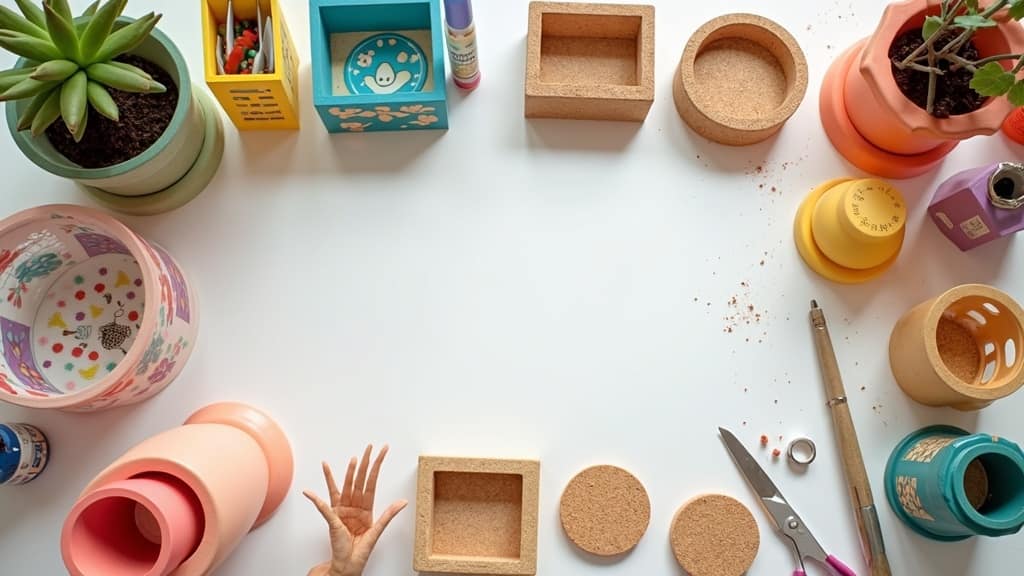
Grab some inexpensive terracotta pots and acrylic paint. Decorating pots is a super easy way to add flair to your home or garden. You can use painter’s tape for crisp stripes or freehand some fun patterns. Once dry, pop in a houseplant and enjoy your custom creation. - Simple Wall Shelves:
Want extra storage and display space? Floating wall shelves can be assembled quickly with just a plank of wood, a couple of brackets, and some screws. They’re perfect for books, plants, or little collectibles. - Personalized Coasters:
Blank cork or ceramic coasters are easy to find at most craft stores. You can paint, use permanent markers, or even mod podge on your favorite images. Sealing them with a water-resistant topcoat makes them last longer and easier to clean. - Magnetic Spice Rack:
For small kitchens or anyone who loves organization, a DIY magnetic spice rack is pretty handy. Clean and label empty metal tins, attach magnets to the back, and set up a metal sheet or the side of your fridge as your display spot. Your spices will be super easy to access and look great in the kitchen. - Drawer Organizers:
Dealing with messy drawers? You can build simple organizers from thin wood strips or even thick cardboard, cutting them to fit your drawer. Glue or tape the pieces together to make little compartments for office supplies, cutlery, or tools. No more digging through clutter. - Framed Fabric Art:
Art doesn’t have to mean paint. Hunt for fabric with interesting patterns or colors, stretch it over a plain canvas, and staple it at the back. Pop it into a frame for instant wall art with a little bit of texture. - Easy NoSew Throw Pillows:
If you don’t want to sew, fabric glue and ironon tape are your best friends. Cut two matching pieces of fabric, seal three edges, stuff with pillow filling, and close the last side. They’re totally customizable, and you can switch out covers for different seasons. - Key Holder Shelf:
Misplacing your keys gets old fast. Make a small wall-mounted shelf from scrap wood, add some hooks underneath, and you’ve got a handy spot to stash keys, sunglasses, or even a mail basket. - Desk Cable Organizer:
Use binder clips or stickon cable clips to wrangle your cords and chargers. It’s a five-minute fix that saves a ton of hassle later, keeping your workspace neat and tangle-free. - Simple Candle Holders:
Collect empty glass jars or bottles. Decorate them with paint, twine, or decorative stones, and pop in a tealight candle. These make cozy accents for tables, shelves, or even as gifts.
Quick Guide: What You’ll Need For Most Beginner DIY Projects
You really don’t need a huge toolbox to get started. Here’s what I keep handy, and it’s served me well across all kinds of projects:
- Basic Tool Kit: Hammer, screwdriver, tape measure, utility knife, and pliers.
Basic Tool Kit on Amazon
- Craft Supplies: Acrylic paint, paintbrushes, hot glue gun (or regular glue), sandpaper, and scissors. These items come in handy for dozens of different ideas.
Craft Supplies on Amazon
- Materials: Scrap wood, glass jars, blank coasters, fabric, or whatever your specific project calls for. Sometimes, you can repurpose containers and supplies you find around your house.
DIY Materials on Amazon
Pro tip: Never feel like you have to buy everything at once. I slowly built up my collection over time, just grabbing new tools as I needed them. Friends or family might even have some basics you can use to get started, so don’t hesitate to ask.
Smart Tips to Make Your First Projects Easier
I’ve been through my fair share of oops moments. Here’s what helps me avoid common headaches and make projects run more smoothly:
- Read Through Instructions First: Take a minute to check over all the steps before you start. It saves time and keeps you from getting stuck or missing important details midway.
- Measure Twice, Cut Once: This old advice is gold when working with wood, fabric, or anything that involves cutting. Eyeballing it is risky, so take an extra second to be sure of your measurements.
- Keep Your Workspace Clear: A tidy table or countertop means fewer lost parts and no stray glue where you don’t want it. Clean up as you go for best results.
- Don’t Rush: Give glue and paint enough time to dry. Rushing leads to streaks, dents, and disappointment later on.
Things I Wish I Knew Before My First DIY
It’s super important to set realistic expectations for your early projects. Messing up is part of the learning process. I’ve had plenty of items fall apart or look totally different than expected. Nothing’s wasted though, because every mistake is a chance to improve for next time.
- Start With Small Investments: Use recycled materials or leftovers before buying new. That way you don’t feel bad if your first shot doesn’t work out. You’ll still pick up new skills and ideas for later.
- Watch Video Tutorials: Platforms like YouTube have loads of visual guides. Seeing each step instead of only reading makes things easier, especially for visual learners.
- Create a Supply Stash: Hang onto extra nails, screws, and scrap fabric. You’ll use them in future projects, and it’s nice not having to run out for just one screw or piece of hardware the next time you’re working on something new.
Common First-Time Problems & How to Handle Them
- Adhesive Fails: Regular glue sometimes isn’t strong enough for heavier projects. Switch to a hot glue gun or look for stronger craft adhesives as needed so your projects stay solid.
- Crooked Shelves or Art: I always use a level or a simple smartphone app to make sure things are hanging straight. Taking a few seconds to double-check makes a big difference.
- Paint Bleeding or Smudging: Painter’s tape and waiting until everything is totally dry help create cleaner lines and keep the finished product looking sharp.
Advanced Beginner Projects to Try Next
Once you’ve got the basics down, you might want to challenge yourself with projects that use a few extra tools or add a bit more flair. Here are a few ideas you can work up to as you get more comfortable:
- WallMounted Planter: Takes a bit of woodwork but looks awesome with trailing plants or flowers. You can customize the finish to match your style.
- Repurposing Furniture: Try sanding and painting an old side table for a custom new look. Hunting for furniture to upcycle at thrift stores or around your home is half the fun!
- LED String Light Photo Display: Hanging favorite photos with little lights creates a cozy, personal decor accent. It’s a next-level cool way to show off memories in your space.
What Can You Learn From DIY Projects?
Tackling easy DIYs doesn’t just add cool stuff to your home; it teaches patience, problem-solving, and might even uncover new interests in building, fixing, or decorating. Each finished project gives you a boost of confidence and a new trick up your sleeve for next time. Plus, sharing your creations with friends or online is a fun way to connect with other makers and pick up fresh ideas.
- Decor Skills: Painted or built items let you choose your style, color palette, and design—no one else’s taste but yours.
- Handyman Basics: Wall shelves or organizers help you practice tool use skills that will come in handy for future repairs or home fixes.
- Upcycling: Using old materials instead of throwing them out is good for the planet and your wallet. Giving something a second chance can be really rewarding and ecofriendly.
Frequently Asked Questions
These are some of the questions I get asked a lot by friends who are just getting into DIY:
Question: How much time do beginner projects take?
Answer: Most can be finished in an afternoon or weekend. Simple projects like coasters or cable organizers take less than an hour, while wall shelves or nosew pillows might take two to three hours from start to finish.
Question: What if I don’t have power tools?
Answer: Lots of projects use basic hand tools or no tools at all. Save power tools for when you’re feeling a bit more confident and ready for bigger builds.
Question: Where do I find project ideas?
Answer: Pinterest, YouTube, and home improvement blogs are full of creative beginner options. Local craft stores also sometimes have free project sheets right inside the shop if you want a quick idea to start with.
Get Started With Your First DIY Project
The best part of DIY is that you don’t have to be perfect or have a big budget to make something fun and useful. Pick a project that looks enjoyable, gather what you need, and enjoy the process. With each project, you’ll pick up fresh skills, grow in confidence, and add a personal touch to your space. There’s nothing quite like seeing something you made yourself around your home. Take your time, and whatever you create, be proud of it—the adventure of making is what really matters!
Thank you for reading, comments and shares!
Create your own website
And learn how to monetize it

Heads up! If you’re looking to join Wealthy Affiliate, make sure you sign up using my referral link to get access to my personal coaching and all WA features."