

10 Essential Tips For First-Time Homeowners
Owning a home for the first time is a mix of excitement, relief, and sometimes a little stress. From learning how to fix a leaky faucet to figuring out property taxes, you’ll face a whole bunch of new responsibilities you might not have expected. I remember the day I picked up the keys to my first house; honestly, it felt equal parts rewarding and a bit intimidating.
If you’re a first-time homeowner or about to become one soon, there’s a lot to keep track of. I’ve pulled together these ten super useful tips that cover everything from prepping for surprise repairs to making your space feel just right. With the right approach, it’s not just manageable. It can be seriously enjoyable.
Here are my top tips every first-time homeowner should have in their back pocket. They’ll help you stay ahead of the curve, avoid common pitfalls, and settle into homeownership with confidence. Take your time as you get familiar with your new space and remember that every homeowner learns some lessons the hard way—but when you’re prepared, you’re way less likely to make costly mistakes.
1. Build an Emergency Fund for Home Repairs
The first thing I learned after buying my home was that things break, sometimes right after you move in. A water heater goes out, a roof develops a small leak, or your fridge picks the worst moment to quit. Setting aside a dedicated emergency fund makes it a lot less stressful when these things come up, and helps you handle surprises before they become big headaches.
- Consider saving at least 1-3% of your home’s value just for repairs and maintenance.
- Keep this fund somewhere you can access quickly, like a savings account, not tied up in investments.
This cushion makes those unexpected repairs a headache instead of a crisis. Even if you don’t use it every year, you’ll have peace of mind knowing you’re set when something does come up.
2. Get to Know Your Home’s Systems
Every home is a little different with its own quirks. Knowing the basics about your main systems, like plumbing, electrical, and heating or cooling, saves you time and money later on. Learn where the main water shutoff, circuit breaker, and gas shutoff valves are located. I always recommend labeling them if they aren’t labeled already.
- Test smoke detectors and carbon monoxide alarms every few months.
- Check out your home’s filter sizes (for HVAC or water) and keep a spare or two handy.
Being proactive means fewer headaches when something stops working late at night. Over time, you’ll probably get used to your home’s unique personality—little sounds, common hiccups, and where to find shut offs in an emergency.
3. Don’t Put Off Regular Maintenance
It’s easy to ignore small maintenance tasks, but putting them off usually leads to bigger, more expensive problems. I follow a simple seasonal checklist to keep things running smoothly and prevent long-term issues:
- Change HVAC filters every 2-3 months.
- Clean gutters twice a year; once in the spring, once in the fall.
- Drain your water heater at least once a year to help it last longer.
- Test outdoor faucets and look for leaks after the first freeze.
Maintenance might seem like a chore, but it keeps your house healthy and can save you thousands over the years. Create a recurring calendar reminder for the big ones so you don’t forget.
4. Learn Basic DIY Fixes
You really don’t need to be a contractor to handle everyday fixes like patching holes in drywall, swapping out light fixtures, or unclogging a drain. YouTube is packed with easy to follow tutorials, and I’ve learned tons just searching for each new challenge as it pops up—there’s satisfaction in troubleshooting these jobs on your own.
- Invest in a solid set of basic tools (hammer, screwdriver set, adjustable wrench, pliers, tape measure).
- Watch for classes at hardware stores since they often offer free or budgetfriendly DIY workshops for homeowners.
Getting comfortable with light repairs gives you way more control over your space and helps keep costs down. Plus, your confidence will grow with every project you check off.
5. Check Your Insurance Coverage
Homeowners insurance isn’t something you want to set and forget. Make sure your coverage fits your home’s value, location, and any specific risks, like flooding, hurricanes, or earthquakes. Not everything is included in a basic policy, so doublechecking the details is really important.
- Consider extra coverage for high-value items (jewelry, electronics, collectibles).
- Look into coverage for loss of use, so your living expenses are covered if your home is unlivable.
Your insurance agent can walk you through what’s actually covered and what needs a special rider or upgrade. Check in yearly as your home or belongings change, and keep important policy docs handy just in case.
6. Find the Right Pros Before You Need Them
When you’re in the middle of a plumbing emergency or a heating system failure, you don’t want to start your search for a good contractor. Get recommendations from neighbors, friends, and community groups for plumbers, electricians, handypeople, and HVAC pros. Save their numbers somewhere easy to access, maybe in your phone or a sticky note on the fridge.
- Look up reviews online and check qualifications and licensing.
- Asking about emergency rates up front helps avoid surprises later.
Having these contacts saves serious time and stress when you need help fast. Also, building a relationship with a trusted pro means you can sometimes get advice by text or call before trouble gets worse.
7. Keep Track of Important Documents and Warranties
There’s a pile of paperwork associated with homeownership, from mortgage and insurance info to appliance warranties and receipts for major repairs. I keep a simple folder (digital or physical) just for these documents. That way, when you need to find your property survey, HOA contact info, or proof of roof work, you’re not digging through random drawers or emails.
- Scan important papers and save them in cloud storage for easy access.
- Organize receipts and warranties by appliance or project for quick reference.
This tiny bit of organization saves big time whenever you have a question, or need proof for insurance or resale. You’ll thank yourself later when you know exactly where to find whatever paperwork you need.
8. Focus on Energy Efficiency
Saving energy isn’t just better for the planet; it keeps your monthly bills down. LED bulbs, smart thermostats, and sealing drafts around doors and windows all help. Some utility companies even offer a free or low-cost home energy audit, which I highly recommend.
- Check attic insulation and add more if needed.
- Install watersaving fixtures in bathrooms and kitchens.
- Replace old appliances with Energy Star rated models when possible.
Making small changes over time adds up to a house that’s more comfortable and a budget that stretches further. Even little swaps like power strips or thick curtains can add comfort and savings over the years.
9. Know Your Local Community Resources
Community programs can be surprisingly helpful, especially when you’re new to homeownership. Check if your city or county offers bulk trash pickup, recycling events, compost dropoff, or subsidies for watersaving landscaping. If you have an HOA, find out about newsletters or online groups. It’s a solid way to stay in the loop and connect with your neighbors.
- Introduce yourself to neighbors as they’re a great source for local insight and referrals.
- Sign up for neighborhood alerts or social media groups to hear about events and updates.
Getting connected helps you settle in and get advice that’s tailored to your area. Local resources can also alert you to safety issues, save you money, or even point you toward discounts for homeowners.
10. Make Your Home Truly Yours
It’s easy to focus only on maintenance, bills, and chores, but it’s also worth spending energy making the space reflect your personality. Even small touches—a new paint color, hanging art, putting in a garden, or swapping kitchen hardware—can make a big difference in how your home feels.
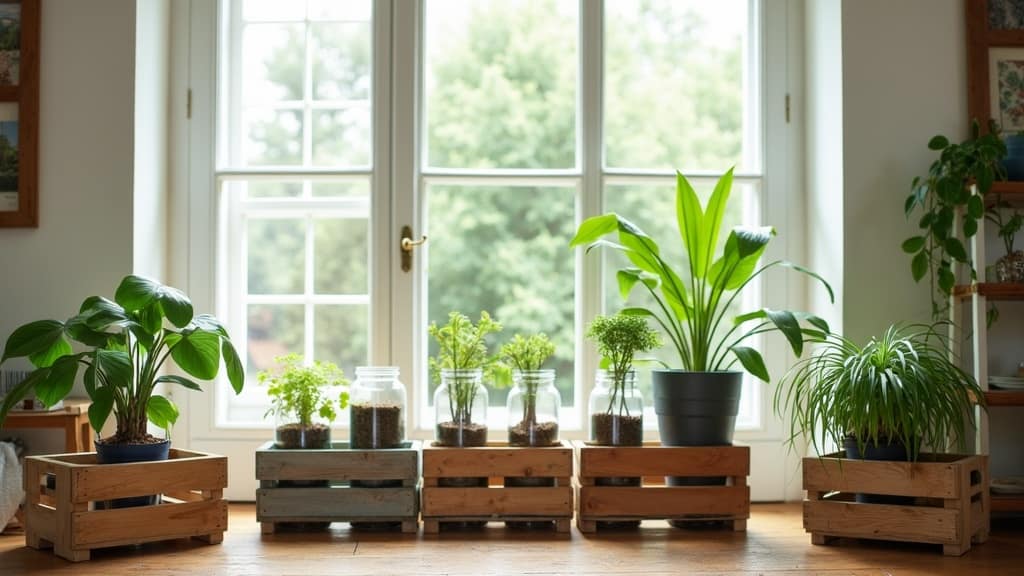
- Start with a couple of quick wins, like a houseplant or a new welcome mat.
- Plan bigger updates over time as your budget allows.
Remember, this is your space. Sprinkling in your own style doesn’t just improve your mood, it can give a boost to your home’s value if you keep upgrades smart and appealing. Take the time to roam through decor ideas, or check out local stores and markets to find pieces that make your space special.
Final Thoughts
First-time homeownership comes with a learning curve, but it’s also packed with rewarding moments. From budgeting for repairs to personalizing every nook, the right habits and knowledge help you feel comfortable and confident in your new place. I hope these tips make your transition smoother and help you genuinely enjoy every part of owning a home. Remember, you don’t have to do everything at once; take things step by step, and soon your house will truly feel like home.
Smart Shopper Guide GPT
Your dynamic, eco-conscious shopping assistant for personalized, sustainable choices.
Thank you for reading, comments and shares!
Crafted with chatGPT Language Models and Picsart
Create your own website
And learn how to monetize it

Heads up! If you’re looking to join Wealthy Affiliate, make sure you sign up using my referral link to get access to my personal coaching and all WA features."