

Creative Storage Solutions For Small Homes
Getting creative with storage in a small home is pretty much a necessity these days, especially as homes get tinier and our stuff somehow seems to multiply overnight. I’m always searching for ways to tidy up without sacrificing style or function, and I’ve found that the best storage solutions are the ones you barely notice. Here’s a breakdown of clever ideas and practical tips to help make the most out of every nook in a small space.
Why Small Homes Need Smart Storage
Living in a small home comes with some unique challenges. When you’re tight on space, clutter builds up fast, and every square foot needs to work just a little bit harder. Smart storage options mean you get to keep what matters most without tripping over it. By rethinking how you use the space you have, like going vertical, tucking things under furniture, or using multifunctional items, you can save yourself time, keep things neat, and actually enjoy your living area.
Minimalism gets a lot of attention, but even minimalists have things that need a place to live. The global market for modular and compact furniture is growing, with more people living in apartments or downsizing to simplify life. Tiny homes and studio apartments are particularly demanding when it comes to creative storage ideas, but even standard homes can benefit from a more streamlined approach. But smart storage goes beyond just downsizing—it’s about intentional living where each item has its own spot, making daily life easier and less stressful.
Get Started, Assess Your Space and What You Own
Before adding any new storage pieces, it really helps to take stock of what you have and where it often ends up. Sort your items into categories, like clothes, paperwork, or kitchen gear, so you know what needs better organization. Donate or recycle things you never use. Once you’ve got a clear idea of how much stuff you actually want to keep, you can start planning the best places for everything to go. Spend time observing your daily routines to spot what usually goes missing or becomes clutter quickly—knowing your own habits is half the battle!
- Zone Your Space: Divide your home into practical zones (like sleeping, lounging, working, and cooking) to keep similar items together and make organization simple.
- Think Up, Not Out: Walls, under beds, the insides of closet doors—all of these are super handy places for shelves or hooks. Going “up” is usually less crowded than going “out.”
- Measure Key Areas: Knowing the real dimensions of your trickiest corners or tallest walls helps when searching online for organizers and furniture.
If you’re unsure where clutter starts piling up, try snapping photos of each room after a busy week. This helps you spot not only messes but also underused and overstuffed areas. Aim for open areas that let you move comfortably while still giving everything a home.
Best Multiuse Furniture for Small Spaces
Multiuse furniture is a real game-changer in small homes. Pieces that do double (or even triple) duty help you cut down on clutter and give you the flexibility to make your home work for different needs throughout the day. Investing in these pieces not only saves space, but often money over time, since you’ll need to buy fewer single-purpose items.
- Storage Ottomans and Benches: Use them as coffee tables, footrests, or extra seating, plus hidden storage for blankets, books, or electronics.
- Beds with Drawers or LiftUp Platforms: This is perfect for stashing shoes, offseason clothes, or bedding out of sight.
- WallMounted Desks and DropLeaf Tables: These fold away when you need more floor space and open up quickly when it’s time to work or eat.
- Sofas with BuiltIn Storage: Some sectionals or couch models have hidden compartments for game consoles, remotes, or board games.
Look for furniture that blends in with your style and meets your actual daily needs—there’s no point in a murphy bed if you never have overnight guests, but a coffee table with storage works in nearly every living room. Also, explore convertible furniture like desks that transform into dining tables or shelving units that can reconfigure as your needs change.
Creative and SpaceSaving Storage Tips
Thinking outside the box (sometimes literally) opens up new options for storage, sometimes in spots you never would have guessed could be useful. Even using doorways and tight corners can help transform how you store things.
- Utilize Vertical Space: Tall bookcases, floating shelves, or ladderstyle racks give you space for all kinds of things from books to decor to kitchen spices. Overthedoor organizers are super useful for shoes, cleaning products, or accessories.
- Go Under Furniture: Slide slim organizers or rolling bins under your bed, sofa, or even your TV stand. Shoes, seasonal wear, craft supplies, or extra linens can all be hidden away here.
- Hooks Everywhere: Entryways, closets, kitchen walls, or the back of bathroom doors can all handle a few extra hooks. Great for keeping bags, coats, hats, or jewelry off the floor.
- DoubleDuty Kitchen Appliances: In small kitchens, look for stackable cooking gear or devices that can toast, bake, and air fry all in one!
- Magnetic Storage: Magnetic spice racks or strips for knives, tools, or even makeup can free up a surprising amount of drawer space.
Give overlooked spaces like behind doors or above cupboards a try. You can even hang baskets on walls for a bit of added charm and a dash of extra utility. In hallways, extra slim shelving or picture ledges can make homes for keys, sunglasses, or incoming mail.
Challenges to Watch For
Every storage idea comes with a few things to consider. Here are some of the hiccups I’ve run into, plus tips for making things work better:
- Overstuffed Storage: Shoving too much into a bin or closet actually makes it harder to find what you need. Try to leave some breathing room for easier access. Don’t forget, accessible storage is more likely to be used every day.
- Awkward Layouts: Every home has that one weird corner or wall. Customizable organizers or adjustable shelves often solve this issue better than premade units.
- Keeping It Up: The best system is the one you’ll actually use! Take a few minutes every couple of weeks to put things back in their spots; future you will thank you. A small effort now prevents a big mess later.
- BudgetFriendly vs. LongTerm: It’s tempting to go cheap, but sometimes a bit of an investment in sturdier, well-designed storage pays off in the long run.
Overstuffed Storage Solutions
Trying to fit too much in a tiny space ends up hiding things and making daily routines harder. Stick to the “one in, one out” rule for hightraffic areas like your closet or kitchen cabinets, and try to revisit your organization every few months to weed out old items. Keeping a “donate” bin handy can help you keep a steady flow, making it easier to let go of unused items as soon as you realize you’re done with them.
Dealing With Awkward Layouts
Open shelves, modular organizers, and adjustable racks usually fit better in strange spaces than solid, boxy furniture. If your budget allows, having shelves cut to fit that sloped ceiling or odd alcove can add a lot of storage in areas that otherwise go unused. You can also use stackable clear bins in tight closets to make sure you can spot everything without digging through cluttered spaces.
Maintenance Makes a Difference
Tidy up daily drop zones (like entry tables or kitchen counters) before things get out of hand. Building a habit of using every storage spot for its intended purpose keeps a small home feeling organized and calm. Small routines, like doing a five-minute reset at the end of the day, make upkeep much more manageable.
Advanced Storage Tricks and Customization
Once you’ve handled the basics, a few upgrades can really take your storage to the next level. Small details can make a big impact when space is at a premium!
Add Sliding Drawers to Cabinets: Upgrades are available for kitchen or bathroom cabinets, making it simple to access the stuff in the back by sliding the shelves out.
Install Pegboards or Slatwalls: These are great in offices, craft rooms, or garages for organizing supplies with moveable hooks and baskets. Paint the pegboard for a fun, custom touch.
Create BuiltIn Nooks and Alcoves: If you own your home, minor renovations like adding shelving to alcoves or recessed spaces make use of spots most people ignore. Built-ins are fantastic for adding display or storage under windows and along unused walls.
Personalize Storage Zones: Use baskets, bins, or cubbies with labels—especially for kids’ rooms, pantries, or shared entryways to keep things clear and easy to put back where they belong. Switching out labels seasonally keeps things fun and up to date.
Popular Storage Solutions for Different Rooms
- In the Kitchen: Lazy Susans, tiered shelf risers, hanging pot racks, and stacking bins are pretty handy.
- Bedroom: Bed risers, underbed drawers, slimprofile bedside tables, and wallmounted reading lights clear up nightstand clutter.
- Bathroom: Doormounted organizers, shelf ladders, and baskets keep toiletries and towels organized in very little space.
- Living Room: Storage poufs, nesting side tables, and entertainment units with closed compartments hide cables, remotes, and more.
- Entryway: Slim shoe cabinets, floating shelves with key hooks, and baskets for mail help you avoid the “pileup” by the door.
If you’re struggling with a specific room, look online for inspiration or stumble upon community groups discussing small space hacks for every type of home. Sometimes seeing what others have done can spark ideas you never would’ve come up with on your own.
Frequently Asked Questions
Here are some common questions about creative storage for small homes:
Question: Should I buy all new furniture to get better storage?
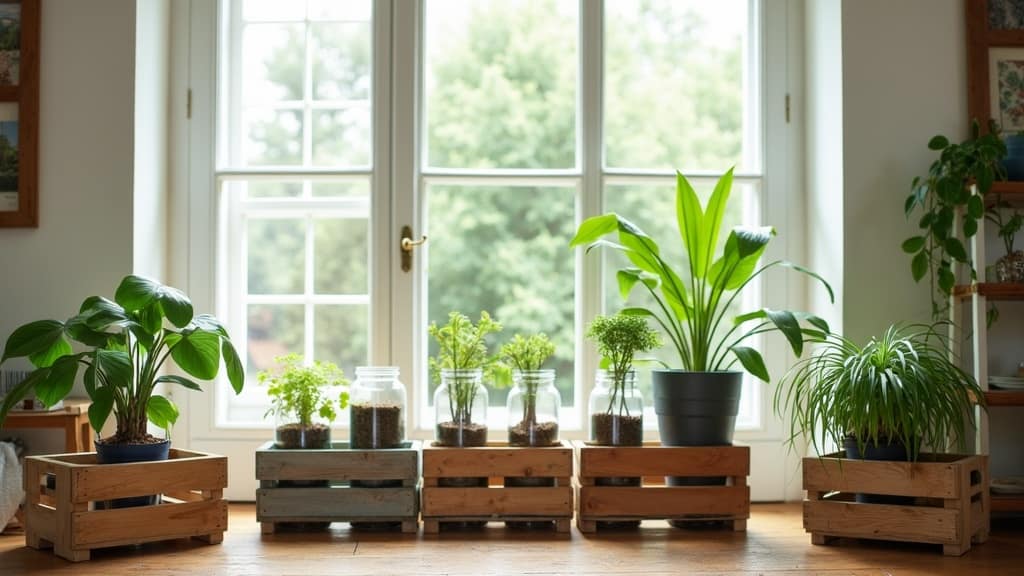
Answer: Not necessarily. Adding a few organizers, underbed bins, or wall shelves can transform your storage without the cost and hassle of replacing major pieces. Repurposing what you already have, like baskets or crates, can provide clever solutions too.
Question: What’s the smartest place to start adding storage?
Answer: Tackle your hightraffic or most cluttered zones first—entryways and kitchens usually see the biggest payoff from organization upgrades. And don’t forget pantries and closets, which often are overrun and could use some quick wins.
Question: How do I keep my storage looking stylish?
Answer: Choose baskets, bins, and shelves that match your decor. Mixing a few decorative containers with practical ones keeps things looking intentional and tidy. Try using matching colors or materials to give your storage a clean, coordinated vibe.
Final Thoughts
Finding smart storage solutions is all about working with what you’ve got and being a little inventive. Small homes can be super cozy and convenient when everything has its place. It just takes some planning, a willingness to try different ideas, and a bit of effort keeping things in order. Once your home is more organized, you end up with not just extra space, but also a whole lot more peace of mind. By making small changes over time and checking in on your progress now and then, your home will become a true reflection of your needs—and a comfortable haven you love coming back to.
Smart Shopper Guide GPT
Your dynamic, eco-conscious shopping assistant for personalized, sustainable choices.
Thank you for reading, comments and shares!
Create your own website
And learn how to monetize it

Heads up! If you’re looking to join Wealthy Affiliate, make sure you sign up using my referral link to get access to my personal coaching and all WA features."