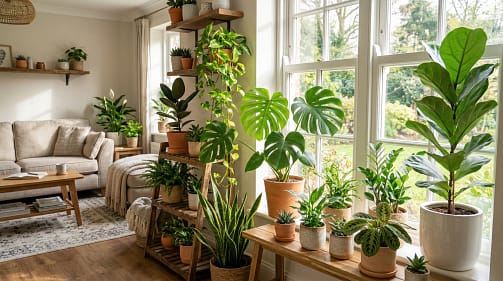
Bringing greenery indoors isn’t just about making your space look nice. Indoor plants can freshen up the air, lift your mood, and create a cozier vibe at home. But plants aren’t selfsufficient; they need some regular attention to thrive indoors.
DIY Indoor Plant Care For A Healthier Home Environment
If you’ve ever wondered why your succulents wilt or your pothos starts losing leaves, you’re not alone. Many people love the idea of a greenfilled space but struggle with plant care. The good news is, caring for indoor plants is actually pretty manageable once you understand what they need and set up an easy routine.
This guide covers my goto tips for keeping indoor plants healthy, happy, and looking great all year round. I’ll walk you through the basics, troubleshoot common problems, and share practical ideas that make home plant care feel less intimidating and a lot more fun. Plus, you’ll pick up insights to get the most out of your indoor jungle, whether you’re a newbie or looking to add to your collection.
Start With the Right Plants For Your Space
Not every plant will thrive in every home. Some like a lot of light, while others do just fine in shadier corners. Before you get started, look at your space and be honest about how much sunlight it gets and how much time you’re willing to spend on care. Picking the right plant is half the battle, and it makes plant care so much easier down the line.
Consider These Factors:
- Light Levels: How bright is your spot? South or westfacing windows offer more sun, while north windows tend to be dimmer.
- Humidity: Bathrooms and kitchens have higher humidity, perfect for ferns or orchids. Bedrooms and living rooms might be drier, which some plants actually prefer.
- Your Schedule: If you tend to forget watering, look for easycare plants like snake plants or ZZ plants.
Popular BeginnerFriendly Indoor Plants:
- Pothos
- Snake plant
- Spider plant
- Peace lily
- Succulents (like aloe or jade)
Getting the right fit at the start makes indoor plant care way less stressful. Most garden centers list light and care needs, making it easier to pick what will work in your space. Don’t hesitate to ask staff at your local nursery, as they can share tips from their own experience and help you make confident choices.
Set Up Healthy Habits for Watering
Most indoor plant struggles start with watering. Too much or too little, and your plants will show it fast. The best trick is to pay closer attention to what each plant truly needs instead of sticking to a strict schedule. Every plant is unique, so learning their cues will go a long way.
Watering Tips That Work:
- Check the Soil: Stick your finger about an inch into the soil. If it feels dry, it’s probably time to water. If it’s still damp, give it more time.
- Use Lukewarm Water: Cold water can shock roots, especially for tropical plants.
- Let Water Drain: Always empty saucers after watering so roots aren’t sitting in soggy soil for hours. Soggy roots can lead to root rot.
Signs You’re Overwatering or Underwatering:
- Yellow leaves or mushy stems; could mean you’re watering too much.
- Browning, crispy leaves or wilted stems; often a sign of too little water.
Write yourself reminders or use plant care apps to stay on track. Eventually, you’ll get into a rhythm that works for you and your plants. Extra tip: group plants with similar water needs together to make caring for them easier each week.
Get Lighting Right
Light is a makeorbreak factor for most houseplants. Even easygoing varieties have certain preferences, so matching them to the right spot helps a lot.
Tips for Better Indoor Lighting:
- Bright, Direct Light: Best for succulents and cacti; try a sunny windowsill.
- Indirect or Filtered Light: Great for pothos, ferns, and snake plants. Try east or northfacing windows or spots just out of direct sun.
- No Windows? No Problem: LED grow lights can supplement lowlight rooms. Just make sure the light is close enough to your plants so they get enough energy to grow.
Rotate your plants every couple of weeks so all sides get even light. This keeps them growing straight and looking lush. If you notice your plant leaning, that’s a good signal it needs more balanced light. Also, pay attention to the changing seasons—winter sunlight is weaker, so you might need to move your plants a bit closer to the window for extra light during those months.
Feed and Repot When Needed
Indoor plants pull nutrients from the soil, but that supply doesn’t last forever, especially with regular watering. A little fertilizer can make a real difference, and repotting every so often gives roots muchneeded space to grow strong and healthy.
How and When to Fertilize:
- Use a balanced liquid houseplant fertilizer every 46 weeks during spring and summer (most plants’ active growing season).
- Hold off on feeding in fall and winter; plants tend to rest and won’t need as much.
Signs It’s Time to Repot:
- Roots are poking out of the drainage holes at the bottom.
- Water starts running straight through the pot; soil may have become compacted.
- Growth seems slow, or the plant appears crowded in its container.
Move up just one pot size (about 2 inches bigger) to prevent overwatering. Fresh soil gives roots a boost and helps airflow. Repotting also gives you a good chance to check for any signs of root rot or pests. Remember, clean pots and fresh soil go a long way toward raising healthy indoor plants.
Boost Air Quality With Your Plants
One of the biggest perks of indoor plants is their airpurifying power. Some species naturally filter out toxins and can help your home feel fresher and cleaner. While it’s not an instant fix, it definitely gives the air a boost and adds to the comfort of your living space.
Top AirPurifying Houseplants:
- Peace lily
- Snake plant
- Spider plant
- Bamboo palm
- Rubber plant
A few of these spaced around the house is a simple way to help your air quality, especially in areas with limited ventilation or lots of electronics. Don’t forget to dust or gently rinse the leaves now and then, since clean leaves work best at filtering the air.
Watch for Common Problems, and Fix Them Early
Sometimes things go wrong even with the best care. Brown spots, drooping leaves, or pests can pop up. Catching issues early makes them easier to handle. Staying sharp and looking over your plants on a regular basis is the quickest way to stop small issues from becoming big headaches.
Common Plant Problems and Simple Fixes:
- Brown Leaf Tips: Usually due to underwatering, dry air, or excess fertilizer. Try misting your plant or adjusting your watering habits.
- White Spots or Webbing: Look for spider mites or fungus. Clean leaves with a damp cloth or use an insecticidal soap if needed.
- Wilting Even When Watered: Roots may be rotting; check for soggy soil and trim away any mushy roots. Repot with fresh, welldraining soil.
- Leaf drop or slow growth: Too little light, cold drafts, or sudden changes to the environment can stress plants. Make adjustments and be patient as your plant recovers.
When in doubt, snap a picture and check a reliable gardening website or bring the photo to a local plant shop for a quick assessment. You can also check plant communities online to crowdsource advice; there’s a huge community of plant lovers happy to help out newcomers and experienced plant parents alike.
Flourish With Routines and Attention
Just like people, plants thrive on regular care and a stable environment. Creating a routine makes everyday plant care easy and helps your indoor garden look its best. In fact, turning plant checks into a daily or weekly ritual can be a relaxing, mindful part of your schedule.
Simple Routines That Work:
- Check on your plants when you wake up or wind down for the night. Just a oneminute check each day helps spot problems early.
- Wipe down leaves now and then to clear dust; this helps with photosynthesis.
- Set a reminder to water or fertilize, especially if you have lots of different plant types.
- Rotate plant locations every so often to even out light exposure and keep things interesting.
The more you interact with your plants, the better you’ll get a feel for what they need, and the more they’ll reward you with healthy growth. Watching your indoor plants thrive brings real satisfaction and a connection to the seasons that can make home feel more alive.
FAQ and Plant Care Troubleshooting
How do I know if my plant needs water?
Feel the soil at least an inch below the surface. If it’s dry, you’re due for watering. If it’s still damp, hold off and check again in a couple days. Some plants, especially succulents, need water even less often, so always take into account the type of plant you’re caring for.
My plant’s leaves are turning yellow. What’s happening?
Yellowing leaves can mean too much water, poor drainage, or low light. Doublecheck your watering habits and try moving the plant to a brighter spot. Remove yellow leaves to help the plant refocus its energy on healthy growth.
What’s the easiest way to avoid pests?
- Always check new plants for bugs before bringing them home.
- Wipe leaves down with a damp cloth every week or two.
- If you spot small bugs, isolate the plant and treat quickly. Keep an eye out for sticky residue, webbing, or tiny crawling pests, which are signs of common houseplant invaders.
Do I need to fertilize in winter?
Most indoor plants rest in winter and don’t need regular feeding. Pick back up in spring when you spot new growth. If you see your plant starting to grow again in late winter, resume light fertilizing to support its renewed energy.
Plant Care Routine for a Healthier Home
Indoor plants don’t just step up your home; they can make your environment feel fresher and more relaxing. With the right plants, simple watering and light routines, and a watchful eye for problems, you’ll find it pretty simple to keep your indoor jungle thriving. Plus, tending to plants can give you a satisfying daily pause and a reason to look forward to new growth each season.
Your Next Steps:
- Pick one or two plants that match your space and lifestyle.
- Get a watering and care routine underway—consistency pays off fast.
- Enjoy the cleaner air, calming vibes, and beauty your new plants bring.
- Try journaling your plant care or snapping photos to see progress over time. Sharing your plant successes (and challenges) with friends can make the process more fun.
What’s your favorite indoor plant? Share your plant care stories or questions below—I’d love to hear about your plant adventures! If you’re just getting started, don’t stress. Every plant parent develops their own rhythm, and soon enough you’ll spot little victories as your plants thrive.
Seasonal Menu Wizard
The Seasonal Menu Wizard GP tailors menus to ingredient choices and cooking expertise.
Shop tips
Aromatheraphy on Amazon
Natural Home decor on Amazon
Declutter your home on Amazon
Soft Lighting on Amazon
Personalise your home on Amazon
Thank you for reading, comments and shares!
Create your own website
And learn how to monetize it

Heads up! If you’re looking to join Wealthy Affiliate, make sure you sign up using my referral link to get access to my personal coaching and all WA features."