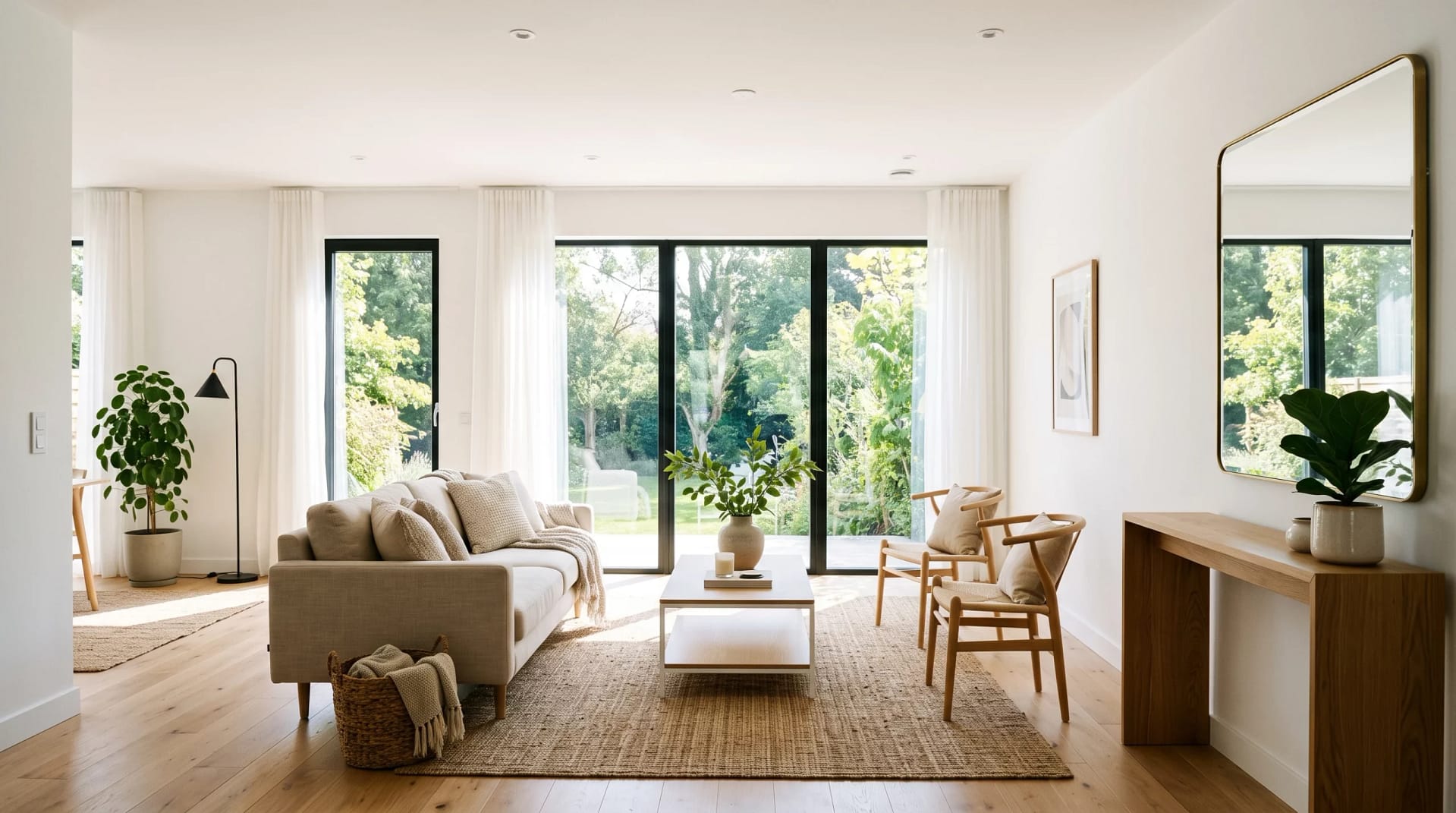
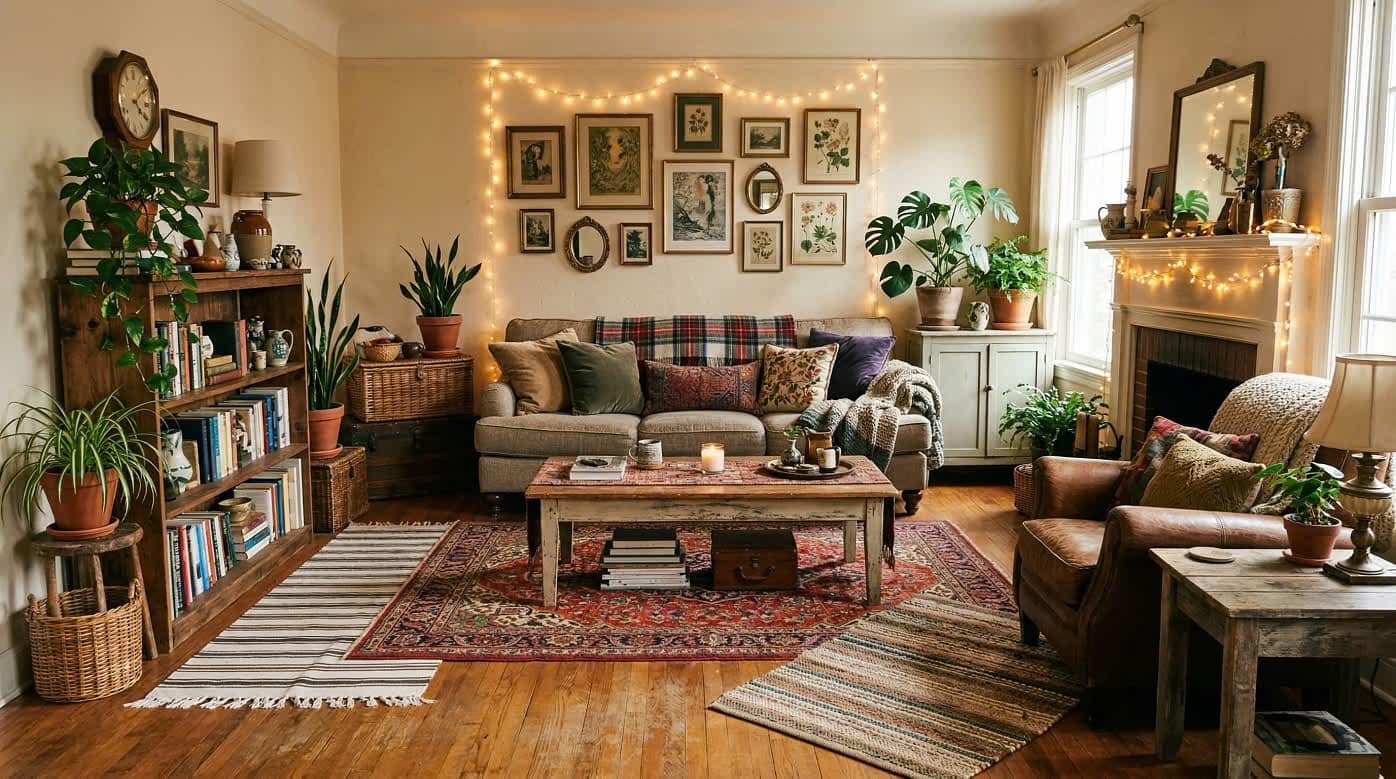
The floors in your home play a huge role in both style and comfort. Whether you’re moving into a new place, renovating a single room, or giving your whole home a makeover, choosing the right flooring can make things feel cozy, spacious, or even downright luxurious. I’ve spent plenty of time helping friends, family, and clients pick flooring, and believe me, it’s about more than grabbing whatever looks nice in the store.
How To Choose The Perfect Flooring For Your Home
The perfect flooring depends on a bunch of factors: lifestyle, budget, maintenance, and, of course, your personal style. With so many options out there, it’s easy to feel overwhelmed. I’ve pulled together everything I’ve learned to help you decide on the best fit for your home. Here’s what you’ll want to consider before making the final call.
This guide covers how to figure out your needs, compare the top flooring types, and make a choice that works for you long term. No expertise needed; just practical info you can actually use.
Step 1: Think About Your Lifestyle and Needs
Start by looking at how each space in your home gets used. Different rooms see different types of action, so what works for your bedroom might not be the best choice in the kitchen or entryway. The patterns of your daily living are just as important as style or budget, so take a little time to observe how traffic flows and what activities happen in your home.
Questions to Ask Yourself:
- Which rooms need new flooring?
- How much foot traffic does each room get?
- Do you have pets or kids running around?
- Are spills and moisture a concern (think kitchens, bathrooms, basements)?
- What’s your personal style—modern, rustic, cozy, or something else?
Quick Tips on Room Usage:
- High traffic areas, like hallways and kitchens, need tough, easy to clean flooring.
- Bedrooms and living rooms can handle softer, warmer options.
- Bathrooms and basements need moisture resistant choices to avoid water damage.
By thinking about how you use each area, you’ll narrow down options and get a sense of what fits best. Make a quick list of rooms and note their needs—it’ll keep your options organized when you look at samples.
Step 2: Get to Know the Most Popular Flooring Types
I’ve seen the pros and cons of just about every flooring material out there. Each one comes with its own perks, and some potential drawbacks too. Choosing what to use is about more than looks; think about feel, care, and fit for each space.
Common Flooring Options:
- Hardwood: Classic, timeless, and adds value. Super durable when properly maintained, but can scratch or warp from moisture. Great for living rooms and bedrooms.
- Laminate: Looks a lot like hardwood, but friendlier on your wallet. It’s less prone to scratches but doesn’t always handle water spills well. Works well in living rooms, bedrooms, and some kitchens. Laminate is also very adaptable, with lots of patterns and colors.
- Vinyl: Modern vinyl, especially luxury vinyl plank (LVP), stands up to kids, pets, and even bathroom splashes. Tons of style options and soft underfoot. It’s also quite affordable and easy to keep clean.
- Tile: Ceramic and porcelain tiles are super useful for kitchens, bathrooms, and entryways thanks to their water resistance and easy cleaning. Ceramic is usually less pricey than porcelain; porcelain is harder and less porous, which helps with water resistance. There are endless patterns and shapes to choose from, offering creative design possibilities.
- Carpet: Cozy and warm, perfect for bedrooms and playrooms. Stains can be an issue, though stain resistant options have come a long way. Carpet also provides sound dampening, making rooms quieter and warmer.
- Engineered Wood: Gives you the look of hardwood but can handle moisture and temperature changes better. Good pick for finished basements and kitchens. It’s more stable than solid wood, so you get style and performance.
Pro Tip:
Grab some samples and lay them in your space for a few days. Natural light and shadows can make colors look totally different throughout the day. This quick test helps you avoid picking a color that clashes with your walls or lighting once it’s installed.
Step 3: Weigh Out Budget and Long Term Value
Your budget is going to steer your decision just as much as your style. Some materials cost more upfront but stay looking good for decades, while budget friendly floors might need replacing sooner. Be sure to factor in not only the price per square foot, but also how much work goes into installation and future upkeep.
Standard Cost Range (per square foot):
- Hardwood: $5 to $15
- Engineered Wood: $4 to $10
- Laminate: $2 to $6
- Luxury Vinyl Plank (LVP): $2 to $7
- Tile: $3 to $12+
- Carpet: $1 to $7
Don’t forget about installation costs, especially for materials like tile and hardwood that usually need a pro. Also, think about long term maintenance; refinishing hardwood might be a simple project, while replacing worn out carpet could mean a whole new install sooner than you’d expect. Some flooring, like vinyl or laminate, can be a DIY job, which can save money if you’re handy.
If resale value is important, hardwood and tile tend to rank highest. However, well chosen, good quality vinyl and laminate can look amazing and be practical for busy families.
Step 4: Zero In on Maintenance and Durability
I always ask people how much time they want to spend cleaning and fixing their floors. Some materials need a little extra love, others are basically set and forget. Consider how much time you want to invest in upkeep when picking your floors.
Low Maintenance Picks:
- Vinyl and tile are super easy; just sweep and mop.
- Laminates handle a busy household with ease.
Floors That Need More Care:
- Hardwoods require regular sweeping and the occasional refinishing.
- Carpet needs vacuuming and prompt attention to spills. Deep cleaning a couple times a year keeps it looking fresh.
Durability depends on pets, furniture, shoes, and even sunlight. Busy households with pets and kids tend to love the toughness of vinyl or tile, while a quiet home might work fine with plush carpet or classic hardwood. Sunlight can fade some floors, so consider window coverings for rooms that get intense afternoon sun.
Step 5: Match Flooring With Your Style
The fun part is picking something that makes you smile every time you walk into the room. Trends come and go, but it really comes down to what you like and what suits your home. Style is personal, so pick something that you’ll love for years—not just what’s trending now.
Popular Styles:
- Rustic & Farmhouse: Wide plank hardwoods or distressed laminate look awesome in these spaces.
- Modern & Contemporary: Sleek tile, neutral or gray toned planks, or minimalist carpets give a clean look.
- Traditional: Warm toned hardwood or timeless tile in patterns (like herringbone or chevron) can look super elegant.
- Eclectic: Don’t be afraid to mix it up. Tiles with bold patterns or a carpet with some color can make a space pop.
If you’re not sure what style you want, browse home magazines or Pinterest and create a folder of favorite looks. You’ll spot patterns in your taste pretty quickly, and that will help narrow down your options when you’re ready to start shopping.
Step 6: Think About Comfort and Safety
Some flooring choices are definitely comfier underfoot or safer for kids and older adults. I always suggest putting safety and daily comfort at the top of your list if you have little ones, or if anyone in the house has mobility challenges.
- Carpet is soft and cozy, great for bedrooms or playrooms (and you don’t have to worry about slips).
- Vinyl and cork offer some cushion and are a bit warmer than tile or engineered wood.
- Tile is sturdy but can be slippery when wet. Area rugs help where there’s a risk.
You can also add slip resistant mats and use textured finishes on tile or vinyl for extra safety. For chilly climates, consider radiant heat under tile or engineered wood for snug, toasty mornings.
Common Questions & Fixes
Q: Can I put the same flooring throughout my home?
Open floor plans look awesome with consistent flooring, like hardwood or LVP. But in bathrooms and laundry areas, you’ll need something moisture resistant, like tile or waterproof vinyl. Mixing in some variety for different rooms is fine too—just match colors or tones to keep the flow smooth throughout your home.
Q: What works best for pets?
Scratch resistant vinyl and tile are super pet friendly. Hardwoods can get scratched, but certain finishes help hide little marks. Avoid high pile carpet with pets since it holds fur and odors more than low pile or hard flooring.
Q: Should I hire a pro?
DIY installation is totally possible for laminate and some vinyl planks, but hardwood, tile, or anything that involves a tricky subfloor is worth bringing in a professional. A pro ensures your new floor is level, seamless, and lasts longer, so weigh the install cost against your budget and skills.
Final Thoughts & Easy Next Steps
The right flooring adds more than just curb appeal. It changes how your space feels every single day. Take your time to weigh what matters most for your home and lifestyle. Test samples at home, check reviews, and ask about warranties when you’re shopping around. Flooring is a long term investment, so don’t rush the decision.
Quick Action Steps:
- List out what’s most important to you: durability, comfort, cost, or appearance.
- Pick three options you like, and grab some in person samples.
- Set a budget, including installation and upkeep costs.
- Measure your rooms carefully to estimate total costs, including extras like trim and underlayment.
I’d love to hear which flooring you’re thinking about. Or if you’ve recently made a choice you love, drop your story below! If you have any questions, feel free to ask so we can figure it out together and help others make the best flooring pick for their space.
Smart Shopper Guide GPT
Your dynamic, eco-conscious shopping assistant for personalized, sustainable choices.
Thank you for reading, comments and shares!
Create your own website
And learn how to monetize it

Heads up! If you’re looking to join Wealthy Affiliate, make sure you sign up using my referral link to get access to my personal coaching and all WA features."