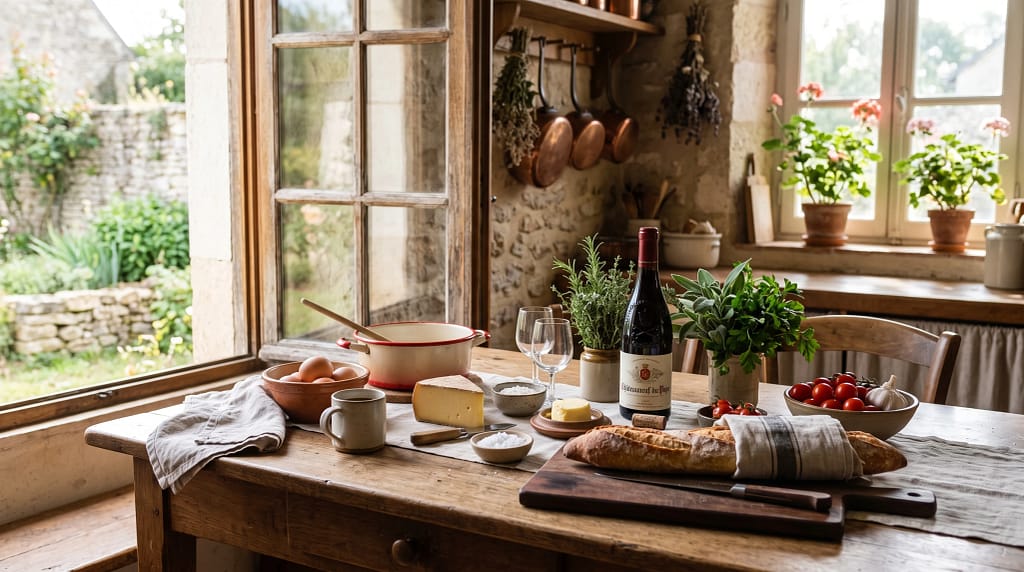
How To Master The Art Of French Cooking At Home
If French cuisine feels a little intimidating, you’re definitely not alone. I used to think it was reserved for fancy restaurants and trained chefs, but bringing French cooking into your kitchen isn’t as tough as it sounds. A bit of practice, some patience, and a few solid ingredients can go a long way to making those classic dishes right at home.
Learning the basics of French cooking really opens up a whole new world in the kitchen. You pick up timeless techniques, new flavors, and creative inspiration that you can mix into everyday meals. I’ve found that even blending a couple French ideas into weeknight dinners turns a meal into something special, without needing a culinary degree or breaking the bank.
Here’s a practical guide to mastering the art of French cooking at home, even if you’re just starting out. I’m breaking it down into manageable parts so you can get started right away and build confidence one step at a time.
1. Stock Your Pantry with French Cooking Essentials
Before tackling recipes, a well stocked pantry (and fridge) makes a world of difference. You don’t need every fancy ingredient, just a few basics you’ll keep coming back to:
- Butter; Unsalted is great for control over flavor.
- Herbs; Think thyme, parsley, tarragon, bay leaf, and chives (fresh when possible).
- Olive oil and neutral oil (like vegetable or sunflower oil).
- Garlic and shallots; These add rich, sweet undertones to almost everything.
- Wine; Red and white, used for sauces and braises.
- Dijon mustard; Not just for vinaigrettes, it adds depth to pan sauces and meats.
- Stocks; Chicken, beef, or vegetable. Homemade is awesome, but boxed works in a pinch.
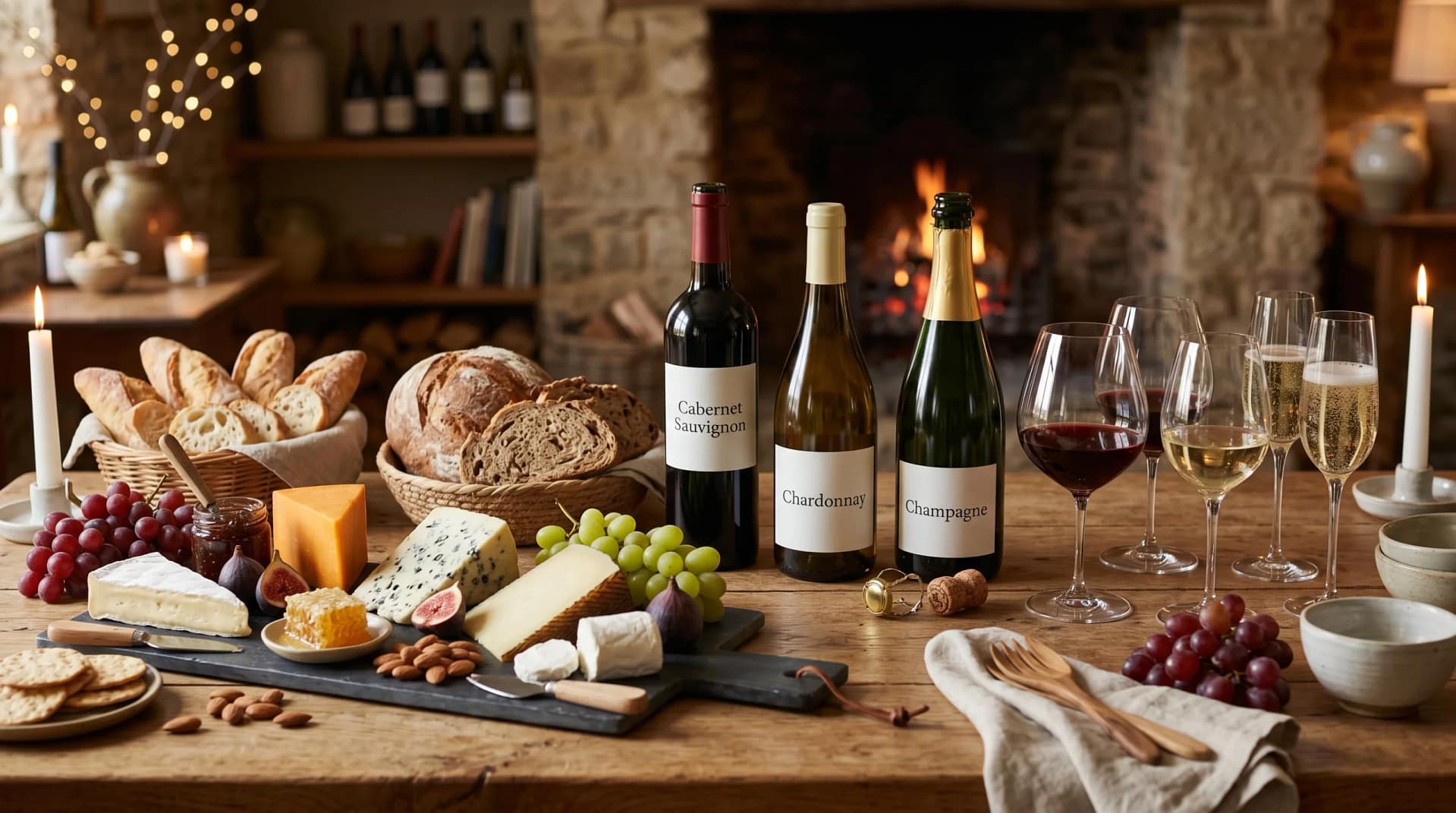
- Good cheese; Gruyère, Comté, or Brie for a taste of French comfort food.
If you have these on hand, most simple French recipes are within reach. For even more authentic flavor, you might want to track down ingredients like herbes de Provence, French sea salt, or cornichons. These extras aren’t essential, but when you’re feeling adventurous, they can give a boost to classics like beef stew or salad Niçoise.
2. Master the Fundamental French Techniques
Instead of memorizing hundreds of recipes, I found it way easier to focus on core techniques that show up again and again. Here are a few that will make any French dish less overwhelming:
Sautéing and Pan Sauces
This is pretty much the building block of most French meals. Cooking meat or veggies quickly over mediumhigh heat, then using wine or broth and a bit of butter to turn those brown bits into a silky sauce, instantly transforms any main course.
Braising
Known for those meltinyourmouth stews like coq au vin and boeuf bourguignon, braising uses a slow cook method with liquid and aromatics for deep, rich flavors. Any cheap cut of meat turns into something amazing after a couple hours in the pot. Try braising vegetables as well—carrots, leeks, and onions soak up flavor while staying tender.
Knife Skills
Classic French recipes are big on even cuts and consistency. It really helps the food cook evenly. Basic dicing, slicing, mincing, and chopping go a long way for prep work, so it’s worth checking out some quick tutorials online if you’re unsure about technique. Even mastering the humble julienne cut can make vegetable side dishes look nextlevel cool.
Sauces
French cuisine is famous for its sauces. Start with bechamel, velouté, and pan sauces. These are surprisingly easy to master and make a simple meal taste restaurant worthy. Try mixing up a quick pan sauce with Dijon mustard for pork chops or a cheesy bechamel to pump up roasted vegetables.
3. Try Beginner Friendly French Recipes
You don’t have to jump straight into soufflés. Here are some approachable recipes I love that help build confidence while delivering big on flavor:
- Omelette; Light, fluffy, and ready in minutes. Practice makes perfect and you can add anything you want.
- Ratatouille; A roasted veggie medley that’s bursting with flavor, perfect for using up summer produce.
- Quiche Lorraine; Savory custard pie with bacon and cheese, delicious served warm or cold.
- Chicken Fricassée; Tender pieces of chicken in a creamy white wine sauce. Great for Sunday dinner or leftovers.
- Potage; Simple vegetable soups, like leek and potato (vichyssoise), that only need a handful of base ingredients.
You could also try croque monsieur (a classic ham and cheese sandwich), pissaladiere (onion tart), or clafoutis (cherry baked custard) for more French flavor. Once you’re comfortable with these, classic dishes like coq au vin or boeuf bourguignon won’t feel as intimidating.
4. Focus on Freshness and Quality
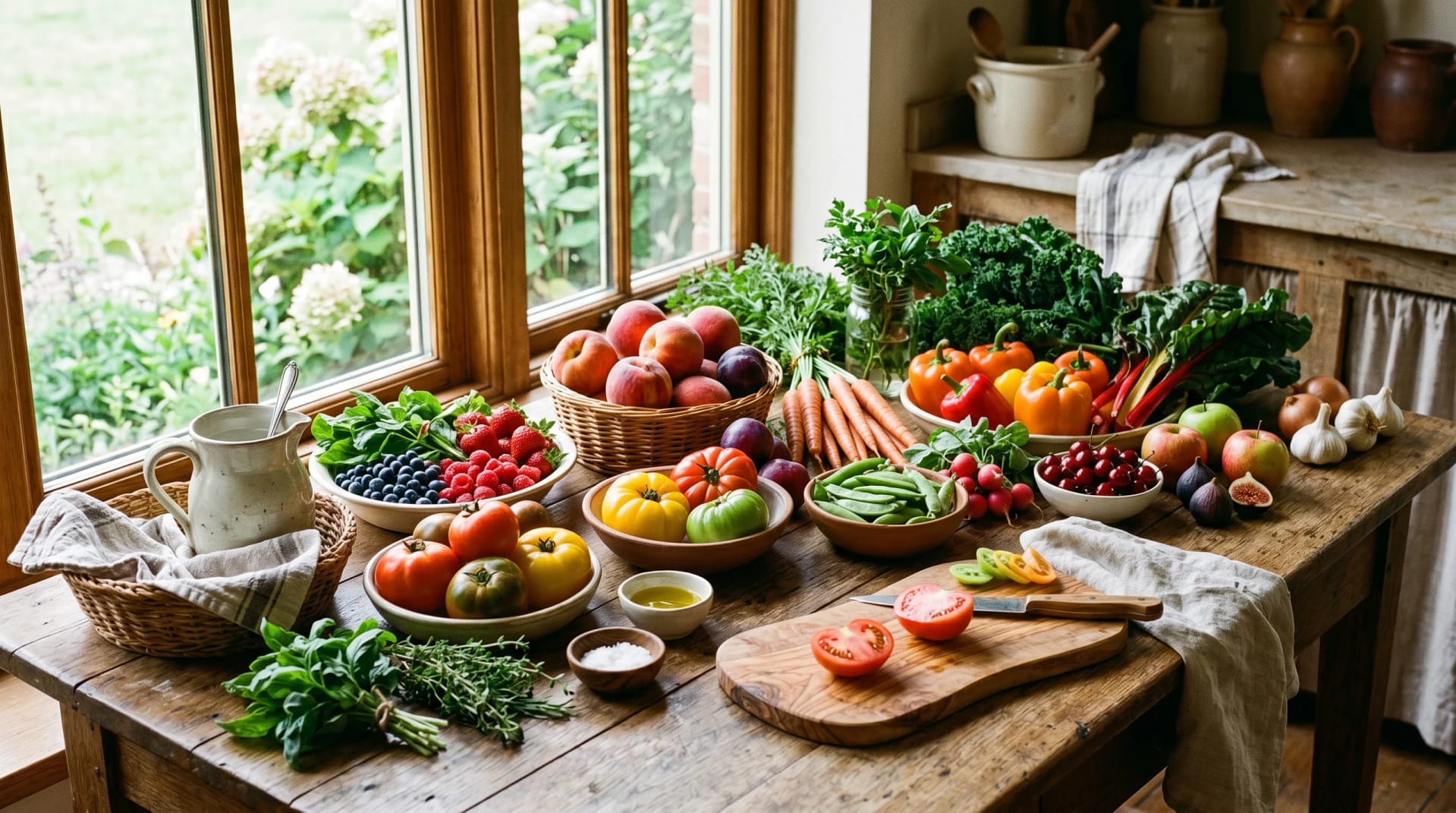
One of the best lessons I’ve picked up from French cooking is that ingredient quality can seriously take even simple dishes up a notch. You don’t need to go full gourmet, just try to grab in season veggies, fresh herbs, and decent cheese or butter when you can. The fresher, the better, since a lot of French techniques are designed to let those natural flavors shine.
Shopping at a local farmers market or picking out produce at its peak is a habit that always pays off. I find tomatoes, greens, and herbs really make a difference in results, and usually don’t cost much more than the average grocery store fare. Bread also plays a big role in French meals—a fresh baguette with butter can elevate soup or salad to something special.
5. Build Up Your Collection of French Cookware
You don’t need every gadget, but a few key tools make a world of difference with French recipes:
- Heavybottomed pots; Dutch ovens are great for braising and stews.
- Nonstick pans; Perfect for omelettes and sauces.
- Sharp chef’s knife; Makes prepping all those veggies much less of a chore.
- Whisk and spatula; For stirring custards and turning eggs without sticking.
- Baking dish; Think gratins and tarts.
- Fine mesh sieve or strainer; For super smooth soups and sauces.
Pick up reliable pieces over time, and it gets easier to pull together French inspired meals with less fuss. Some classics like castiron skillets or enamelcoated Dutch ovens may seem like an investment, but they’ll quickly become favorites in your kitchen.
6. Practice Mise en Place… The French Chef’s Secret
Mise en place is just a fancy way of saying “everything in its place.” It means prepping and measuring all your ingredients before turning on the stove. This habit has saved me from so many kitchen disasters and rushed moments. You can move calmly through each step without having to stop and search for something halfway through, which is super important for recipes with lots of moving parts. Practicing mise en place also helps you spot missing ingredients in advance so there are no surprises while cooking.
7. Don’t Skip the Little Touches
Finishing touches make a dish feel truly French. A sprinkle of chopped herbs, a swirl of cream, or a dash of black pepper can do wonders. Try serving your meal on nice plates, lighting a candle, or just sitting down for an unrushed dinner. You might also try pairing wine thoughtfully, even on a regular weeknight; it’s a small gesture but adds to the experience. These simple rituals make the home cooking process feel like an occasion, even on a Tuesday night.
8. Experiment and Enjoy the Process
Probably the thing I love most about French cooking at home is how much room there is for creativity. The techniques are there as a base, but you can adjust to what’s in your fridge, switch up herbs, and try new flavor combos. Cooking French food isn’t about perfection or following every rule to the letter; it’s about exploring, tasting, and finding your own kitchen style.
Over time, you’ll spot patterns in recipes, feel more confident, and build up a personal collection of favorites. French cuisine is all about pleasure and sharing food with others, so don’t stress about getting everything just right from the start. Invite friends over for a simple shared meal or try making dessert with your family—cooking together is often where the best memories are made.
Final Thoughts
Bringing a bit of French spirit into your kitchen changes the way you cook and eat at home. Start with a couple essential ingredients, learn one or two core techniques, and keep things simple at first. Over time, you’ll find yourself making richer sauces, fluffier omelettes, and meals that are both comforting and a little fancy, all without leaving home. Grab your apron and have fun with it. Your taste buds (and anyone you cook for) will thank you! Bon appétit as you continue to make new kitchen memories the French way.
Seasonal Menu Wizard
The Seasonal Menu Wizard GP tailors menus to ingredient choices and cooking expertise.
Thank you for reading, comments and shares!
Create your own website
And learn how to monetize it

Heads up! If you’re looking to join Wealthy Affiliate, make sure you sign up using my referral link to get access to my personal coaching and all WA features."