Pairing Wine With Food – Tips From Sommeliers
Choosing the right wine for your meal can sound intimidating, but with a few tips from somms (short for sommeliers), wine pairing can actually be approachable and even fun. The right match can step up both the food and the wine, bringing out flavors you might miss otherwise. Whether you’re new to wine or looking to brush up on the basics, I’ve gathered practical tips and easy-to-remember guidelines straight from people who work with wine every day.
You don’t need to study for years or memorize a bunch of fancy rules to get great results. Most somms agree that pairing is more personal than strict. What matters is creating balances and experiences you enjoy. If you’re ever unsure, these pro tips can help you feel confident in your next food and wine combo, no matter what’s on the menu.
This guide covers handy wine pairing basics, what the pros recommend for classic dishes, tips for trickier foods, and answers to common questions. With these insights, you’ll be ready to explore and enjoy more memorable meals at home or out. Plus, you might stumble upon new favorite combinations you never expected.
Wine Pairing Basics? What You Need to Know
Pairing wine with food isn’t a secret code. A few everyday principles go a long way. Here are some beginner friendly tips I’ve picked up from somms:
Main Wine Pairing Styles
- Matching Intensity. A light meal pairs better with a lighter wine while a rich, heavy dish usually plays better with a full bodied wine.
- Contrasting or Complementing. You can pair by echoing flavors, or by creating contrast, such as acidic wine with fatty food.
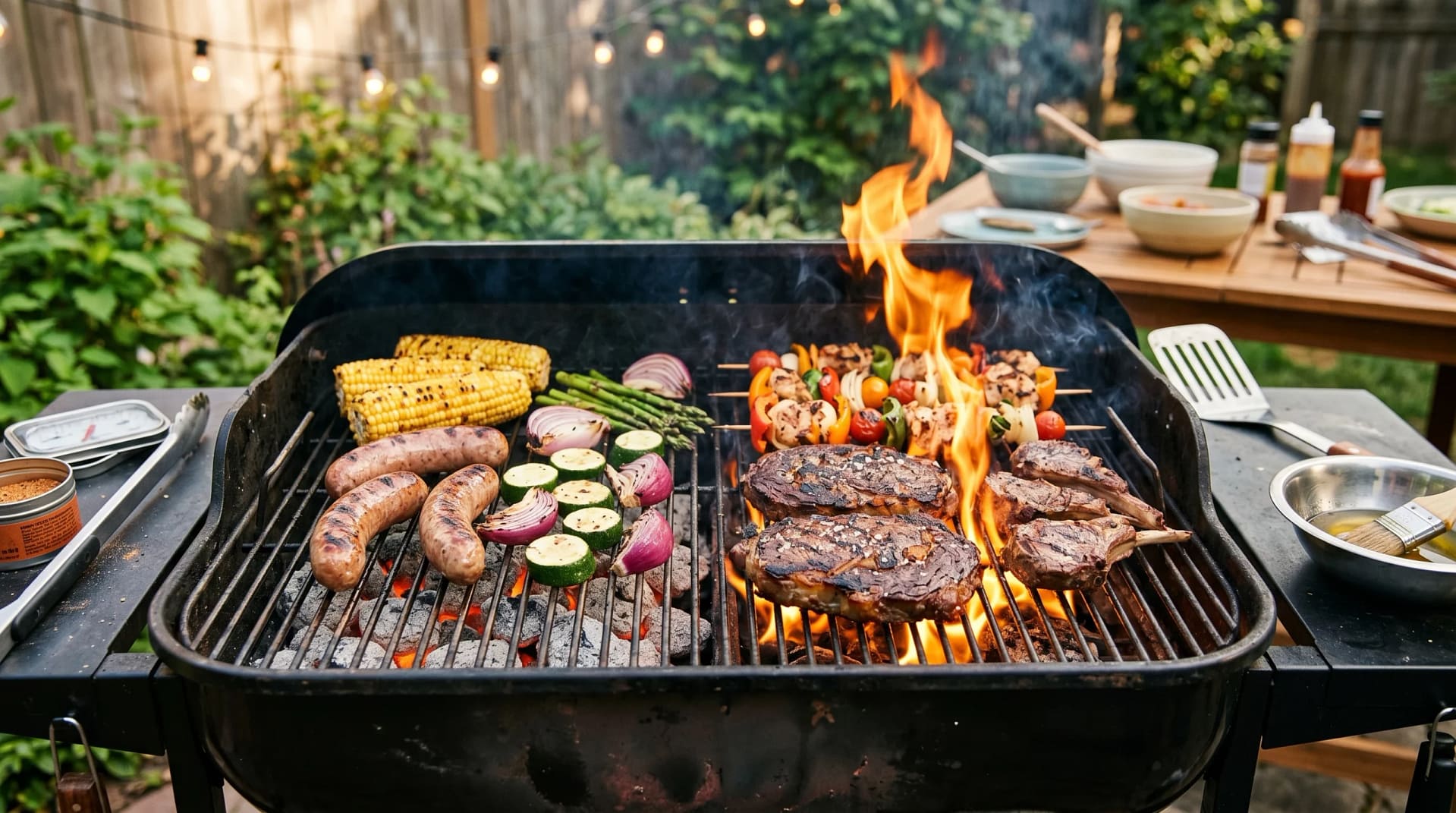
Flavor balancing is probably the core move. For example, zesty dishes like lemony chicken or tangy salads generally shine with crisp, refreshing whites. Rich, savory meals like steak almost always work with deeper reds. Picture a buttery salmon paired with a bright white or a grilled pork chop with a juicy red. These balances light up the meal and make every bite more interesting.
Handy Pairing Cheat Sheet
- Red wines work with richer, bolder foods. Think beef, mushrooms, or grilled meats.
- White wines play nice with lighter items like chicken, fish, veggies, and tangy sauces.
- Rosé is versatile and lands somewhere in the middle. It goes with picnic foods, salads, seafood, and appetizers.
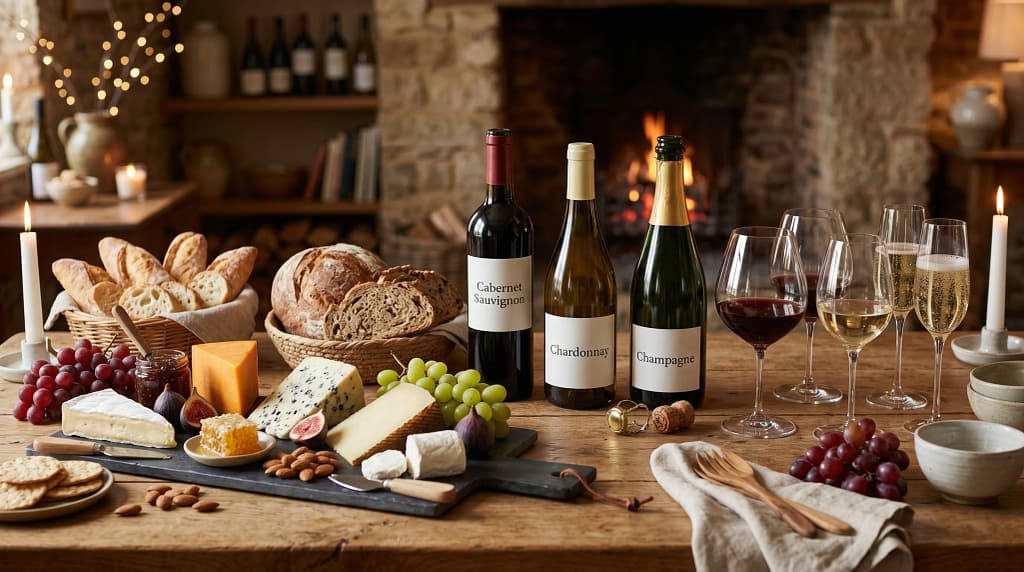
- Sparkling wines love salty snacks, fried food, and cheese boards.
If I had to pick just one principle: match the “weight” of the wine to the “weight” of the food for balance. If you keep that in mind, you’re already halfway to a great pairing.
Remember, different cuisines can also inspire great wine pairings. Mediterranean food often pairs well with crisp white wine, while spicy Asian dishes can be amazing with a subtly sweet white or a vibrant rosé. Don’t hesitate to check out what wines are recommended for your favorite regional dishes for more ideas.
Classic Wine Pairings That Always Work
Some combos just work. Over time, somms have found a few pairings that are practically foolproof:
- Champagne with Fried Food. The bubbles and acidity are super refreshing against crispy, rich bites. Try sparkling wine with fried chicken, potato chips, or tempura.
- Sauvignon Blanc with Goat Cheese. The tang of this cheese meets its match with the bright, herbal notes of sauv blanc.
- Chardonnay with Roast Chicken. Both the food and the wine have enough heft to not overpower each other. If the chicken’s creamy or buttery, lean toward an oaky chardonnay.
- Pinot Noir with Salmon. This lighter red is earthy, fruity, and perfect for roasted or grilled salmon.
- Cabernet Sauvignon with Steak. A classic duo. Cabernet stands up to the fat and seasoning of a juicy steak.
These pairings are popular for a reason, but don’t be afraid to try something different. Swapping one wine for another that’s similar can also work great. For example, sparkling rosé with sushi or Beaujolais with roast chicken can freshen up your meal. Sometimes, having a few options opens the door to surprising favorites.
Tricky Pairings? What Sommeliers Recommend
Some foods can be tough to match. Here’s how somms usually handle the trickier stuff:
- Spicy Food. Sweeter wines like off dry Riesling or Moscato can cool the heat. Low alcohol wines feel less harsh with spicy takeout.
- Artichokes and Asparagus. These veggies can clash with many reds because of their intense flavors. Try a zippy white like Grüner Veltliner or a dry, mineral driven Sauvignon Blanc.
- Egg Dishes. Bubbles or light whites are a good bet. Prosecco brunch pairings are popular for a reason.
- Sauces with Vinegar or Citrus. High acid wines can match the tang. Try Sancerre, Albariño, or a dry rosé to balance out vinaigrettes and lemony dressings.
These guidelines can save the day if you’re stumped. When in doubt, I reach for sparkling wine. The acidity and bubbles are surprisingly flexible. You might also keep a bottle of crisp white on hand for last minute pairings.
If you’re having a party with various dishes, setting up a casual tasting table with several different wines lets guests explore what works best for them. This way, you have something for everyone and a new way to get the conversation flowing.
How to Pair When Hosting (or Ordering Out)
If you’re hosting dinner or picking a bottle at a restaurant, here’s what somms suggest for low stress, crowd pleasing pairings:
- Choose versatile wines. Wines like Pinot Noir, rosé, or sparkling wines offer flexibility for guests with different plates.
- Offer options. Two or three choices (one white, one red, maybe one sparkling or rosé) cover lots of ground without overcomplicating things.
- Base on main flavors. If there’s a sauce or seasoning that stands out, pair for that instead of just the protein.
Restaurants often have knowledgeable staff or in house somms. Don’t hesitate to ask them for advice or try a wine by the glass if you’re unsure. Sharing why you like a certain style or what you’re ordering makes it easy for them to recommend a great match. Some restaurants even offer small taste pours so you can sample before committing to a full glass.
If you’re having a gathering, include a quick description of each wine on the table. Mention which foods they match best with. This turns picking a wine into a fun part of the meal, instead of something stressful or exclusive.
Wine Pairing at Home? Simple Ways to Experiment
You don’t need a special occasion to pair wine and food at home. A few fun approaches make experimenting a lot less intimidating:
Start with What You Like
Personal preference matters. If you love a style of wine, look up foods recommended for it and taste them together. You might find unexpected combos that become favorites. Try a mini tasting with a few bottles and see what works best with your meal.
Keep Your Pairings Simple
- Match based on sauce or main flavor ingredient.
- Serve chilled reds with lighter foods if you don’t love white wine.
- Go for sparkling or rosé if you’re unsure.
Get creative! Mix and match leftovers with what you have on hand. The more you try, the more your own pairing instincts grow. Invite friends or family for a “build your own” food and wine night—compare notes and maybe stumble upon a new hit combination.
Sommelier Approved Tips for Better Pairings
- Serve at the right temperature. Chilled whites and reds at cellar temperature both taste better and show off their best flavors alongside food.
- Don’t be afraid to break the “rules”. The classic “red with meat, white with fish” doesn’t fit every meal. Go with what tastes best to you.
- Record what you try. Jot down pairings you enjoy in a notebook or app. This helps when you want to repeat the magic.
I love using my phone to snap a quick photo and make a note, so I remember delicious combinations for future meals. Building your own wine and food journal is a great way to grow your confidence.
If you want to go a step further, some folks like to set up themed wine nights based on a cuisine or season. Summer nights can be perfect for chilled rosé with grilled veggies, while winter’s heartier dishes invite robust reds and aged whites. This not only gives a boost to the meal, but helps everyone involved to track down new favorites.
Common Questions About Wine Pairing
What if someone doesn’t like the wine I’ve paired?
Wine pairing is about enjoyment, not perfection. If in doubt, offer a couple of choices and let people pour what they prefer. No need for pressure or stress—after all, it’s about having fun together.
How do I handle sweet desserts?
Somms usually recommend a wine that’s sweeter than the dessert itself. Moscato, Sauternes, or port wine can all work. If you only have dry wine, that’s fine; some people actually like the contrast!
Is it okay to mix and match wines throughout the meal?
Absolutely! Many people do one wine with each course, or offer different wines for guests depending on their dish. There’s no wrong way as long as you have fun with it. Don’t be surprised if people want to jump into trying more than one style with their dinner.
Easy Action Steps for Better Pairings
- Consider the main flavors (not just protein) when picking wine.
- Use the intensity rule: delicate dishes with lighter wines, richer foods with fuller bodied wines.
- Try at least one new combination each month—keep notes of your favorites!
Wine and food pairing is something anyone can get better at with curiosity and a little tasting. With these sommelier approved tips and a bit of practice, you’ll find meals feel a little more special, and way more fun. Even if you just swap in a new wine once a week, you’ll start to get a feel for what makes you happy at the table. Bottom line—exploring wine and food together turns every meal into a chance to check out new flavors and create moments worth remembering.
Wine Connoisseur is a GPT wine advisor to help you with wine selections and knowledge.
Thank you for reading, comments and shares!
Create your own website
And learn how to monetize it

Heads up! If you’re looking to join Wealthy Affiliate, make sure you sign up using my referral link to get access to my personal coaching and all WA features."