The Science Behind Perfect Grilling Techniques
Getting food perfectly grilled isn’t just about fire and timing. There’s some cool science going on, from how heat flows through your steak to why a burger gets those tasty brown lines. Even if you’re new to grilling, knowing the basics of what’s happening under the hood can take your barbecue game up a notch. I’ve spent a ton of time experimenting with grilling, reading up on what works, and ruining a few burgers along the way. Understanding the science behind it has helped me turn casual backyard cooks into pretty tasty feasts.
From juicy steaks to crisp grilled veggies, I want to break down how grilling really works and what you can do to get great results every time. If you’re tired of dry chicken or charred corn, check out these simple ideas and techniques based on solid grilling science.
You’ll find tips for beginners, ways to fine-tune your grill, and some troubleshooting for those easy-to-make mistakes. Ready to up your grilling knowledge?
The Role of Heat? Direct vs. Indirect Grilling
One thing that still surprises a lot of people is how much of grilling is about controlling heat. It’s not just fire; it’s about where the heat is coming from and how it moves through your food. There are two main techniques: direct and indirect grilling. If you want a truly juicy steak or perfectly roasted vegetables, you’ll need to understand how heat interacts with different kinds and thicknesses of food—it matters a lot more than you might think!
Direct Grilling (Searing and Speed)
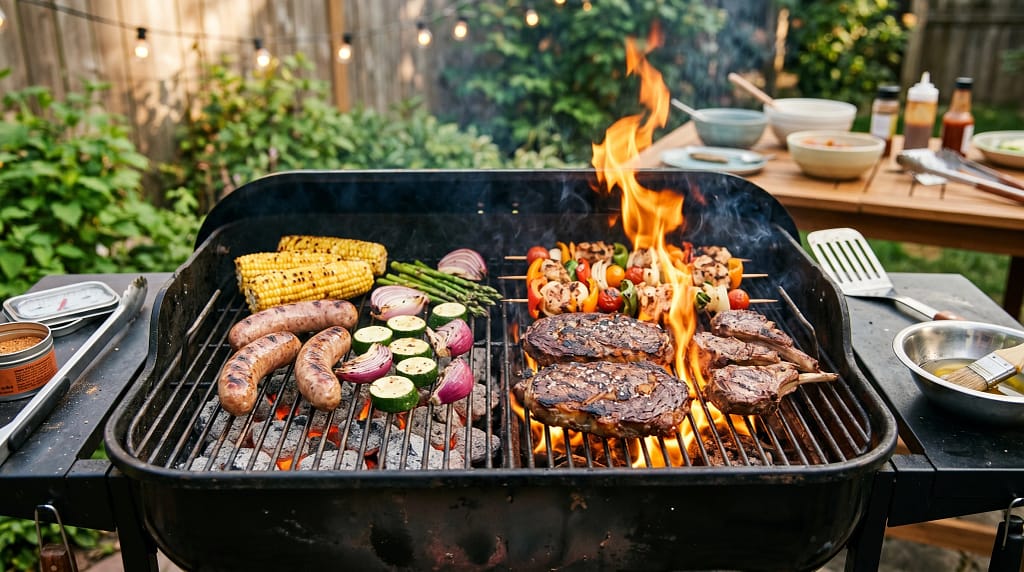
- Direct heat is when food sits right over the flame or coals.
- Great for thin cuts, burgers, hot dogs, or veggies that cook quickly.
- Creates a hot zone, so everything cooks fast (and can burn if you’re not watching!).
Direct heat is what gives you a smoky char and crispy edges, but it can dry out anything thick if you don’t move it in time. I almost always use direct grilling for steaks (for those classic grill marks) before finishing on a cooler spot if the piece is really thick.
Indirect Grilling (Gentle & Even Cooking)
- Indirect heat puts your food away from the flames, letting it cook with hot air circulating inside the grill.
- Works a lot like an oven, so it’s perfect for chicken breasts, ribs, or anything that takes longer.
- Reduces the risk of burning the outside while the inside stays raw.
Whenever I grill bone-in chicken or a whole fish, I use indirect heat. It helps the food cook more evenly and stops flare-ups from dripping fat. If you’ve ever pulled off a beautiful roast chicken or ribs, you’ve probably made use of indirect grilling without even knowing it.
Understand the Maillard Reaction (Browning and Flavor)
The brown, crispy surface on grilled food comes from something called the Maillard reaction. It’s a chemical reaction between proteins and sugars in food that kicks in around 300°F (150°C). This is different from caramelization, which happens with just sugar; Maillard is about the mix of protein and heat. It’s what makes grilled food mouthwatering and eye-catching, giving burgers, steaks, and even grilled veggies that next-level cool texture and flavor.
- Browning adds a ton of flavor and makes food smell awesome.
- Steaks, burgers, and veggies all get tastier with the right amount of browning.
If you want a good crust, dry the food first (pat it dry with a paper towel), then use high direct heat. Add a bit of oil for extra browning. But don’t press down on burgers or steaks; this squeezes out juices and cools down the surface. Let your steak sit and get those great brown lines before flipping—patience pays off!
The Science of Juiciness? Manage Moisture
Everyone wants juicy grilled food, but moisture management is tricky. The trick is to understand what happens to water inside your food as it heats up. Some people think more heat equals more juiciness, but in reality, if you go too hot or cook too long, you’ll end up with dry, tough results. Locking in moisture is a game changer.
Resting Meat
- As food cooks, water in the meat is forced toward the surface.
- If you cut into steak right away, the juices run out fast, leaving it dry.
- Give your meat a five-minute rest—cover it loosely in foil—and the juices have time to even out and reabsorb.
This is one tip that completely changed my grilled steak and chicken game. Resting is easy to forget, but makes a huge difference in taste and texture. Give it a try even when you’re hungry; your patience will be rewarded with juicier bites every time.
Brining and Marinades
- A simple saltwater brine helps lock in moisture for chicken, pork, and even fish.
- Salt changes the structure of meat proteins, helping them hold onto moisture.
- Marinades add flavor; use acidic ingredients like vinegar or citrus to help tenderize tougher cuts.
Brining can seem a bit extra, but just letting chicken or pork sit in a salty solution for even half an hour can give a noticeable boost. With marinades, you can mix up the flavors—try lemon, garlic, or soy sauce for different styles.
Fuel Choices and Their Flavor Impact
The smoke and heat from your grill’s fuel will change the way your food tastes. There’s no “best” option, as each type has its own perks. I’ve tried all three main kinds and sometimes mix them up for fun. The unique aroma you smell at a big barbecue event is often the result of mixing different woods or even charcoal with a touch of soaked wood chips.
- Charcoal: Gives deep, smoky flavor. Lump charcoal adds a woodsy taste, while briquettes burn evenly for longer cooks.
- Gas: Super convenient, heats up fast, and gives more precise temp control. Flavor is a little milder, but you can always toss in wood chips for more smokiness.
- Wood: Different woods (like hickory, apple, or mesquite) give distinct flavors. Wood chunks or chips can be used alone or added to charcoal/gas grills.
If you want smoky grilled flavor, experiment with wood chips. Soak them in water for 30 minutes, then toss on hot coals (or in a smoker box for gas grills). Don’t be afraid to mix up wood flavors; apple is milder than hickory, and cherry adds a sweet note—great for poultry!
Temperature Control and Thermometer Tips
I used to think I could just poke a steak and know when it was done. After enough overcooked chicken and undercooked burgers, I changed my ways. A meat thermometer is now my grilling buddy and removes the guesswork. Even seasoned grillers double-check their temperatures since every grill is different and so are cuts of meat.
Safe Cooking Temperatures
- Chicken (breast or thigh): 165°F (74°C)
- Beef, lamb, pork (medium): 145°F (63°C)
- Fish: 145°F (63°C)
- Burgers: 160°F (71°C)
Stick the probe into the thickest part for the most accurate reading. This not only gives you safer meals but way juicier results too. If you ever want to host an outdoor dinner, a thermometer is a must-have for confidence.
Manage Flare-Ups and Hot Spots
Anyone who grills has faced sudden bursts of flame or uneven cooking, usually from fat hitting the coals or burners. Flare-ups can be scary, but here are some quick pointers that always help me:
- Keep a cooler area on the grill. Move food away from high flames when needed.
- Trim extra fat off meat to reduce drips.
- Don’t overload your grill, as crowding leads to more fat dripping in one spot.
- Clean your grates regularly so old grease doesn’t ignite.
Watch your food and move it around as needed. That way, you avoid burnt outsides and raw insides. A two-zone setup (one hot, one cool) has saved my dinner more than once!
Common Grilling Mistakes and How to Fix Them
Why is my meat sticking to the grill?
- Your grates should be preheated and cleaned before every cook.
- Wipe a little oil on the grates with a paper towel for extra nonstick power.
- Food will unstick itself when it’s ready to flip; don’t rush it!
Should I close the grill lid?
- Lid down acts like an oven and holds heat in, great for thick cuts or indirect cooking.
- Lid up is better for quick cooks or when you want a crispy crust.
Is it true not to flip food too much?
- One or two flips is all you need for most foods; any more and you can lose the grill marks and heat.
Tips for Consistent Results Every Time
- Preheat your grill for 10-15 minutes before putting food on. This makes sure your grates are hot enough for searing and helps prevent sticking.
- Keep your tools handy—tongs, spatula, brush, and thermometer are my must-haves for easy, safe cooking.
- Organize your workspace so you’re not scrambling around while food is cooking, making grilling more fun and less stressful.
- Start simple and get to know how your grill behaves. Every grill has its own personality (mine runs hotter on the left and I always forget!).
Try These Next Time You Grill:
- Experiment with two-zone cooking: have a hot side (direct heat) and a cooler side (indirect).
- Use a digital thermometer for meats, especially poultry and thick steaks.
- Rest your food before slicing so every bite stays juicy.
- Try adding small amounts of sugar, honey, or syrups to marinades for extra browning. Just keep an eye out for burning—sweet marinades caramelize fast!
Grilling gets easier (and tastier) the more you practice, especially when you know what’s actually happening to your food. Whether you’re searing steaks or slow-roasting chicken, the science behind grilling is pretty fun to master. Even trying new veggie mixes or fruit skewers can open up fresh flavor profiles.
What’s your favorite thing to grill or the trick you swear by? Leave a comment—I love swapping ideas with other backyard grillers! Step up your grilling game every time you fire up the grill.
Discounts
Coupons
Deals
Special Offers
Promotions
Seasonal Menu Wizard
The Seasonal Menu Wizard GP tailors menus to ingredient choices and cooking expertise.
Thank you for reading, comments and shares!
Create your own website
And learn how to monetize it

Heads up! If you’re looking to join Wealthy Affiliate, make sure you sign up using my referral link to get access to my personal coaching and all WA features."