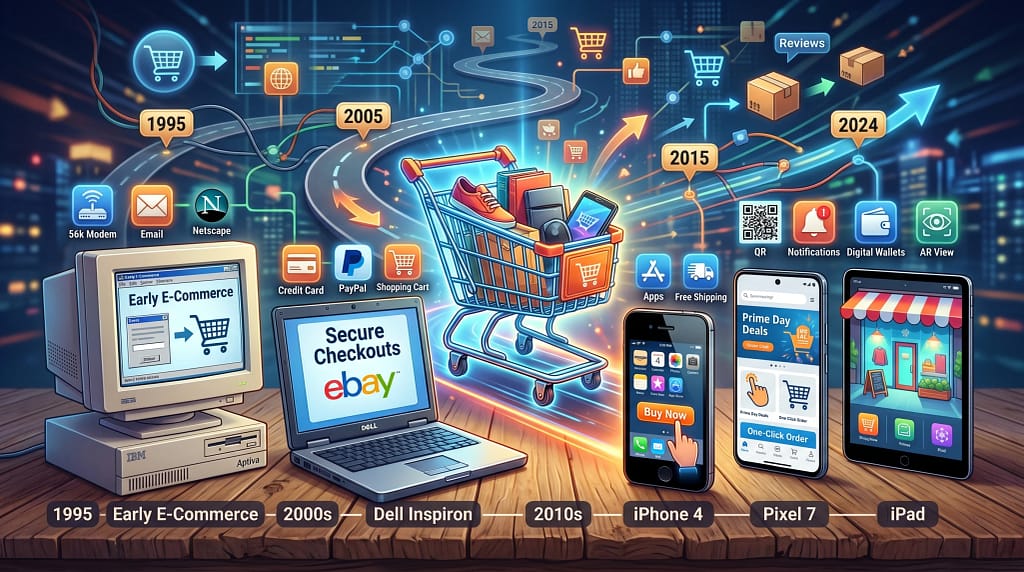
The Evolution Of Online Shopping Platforms
Online shopping platforms have changed how I stumble upon, compare, and buy just about anything. Scrolling through today’s ecommerce sites feels natural now, but shopping from my phone or computer hasn’t always been this seamless. These platforms have gone through a wild transformation, moving from clunky digital catalogs to the sleek, smart shopping hubs we rely on today. I’ll walk you through key phases in the next stage of online shopping, breaking down how these changes make shopping easier, smoother, and—let’s be honest—even a bit fun sometimes.
How Online Shopping Got Its Start
Shopping online was once a slow and experimental process. The earliest online shops popped up in the late 1970s and 1980s. These platforms weren’t public websites as we see now; they were more like private networks for universities or niche tech industries. Buying something meant figuring out complicated menus and hoping your connection didn’t drop.
The 1990s kicked off what most people think of as the true beginning of online shopping. In 1994, after the invention of secure online payment (SSL encryption), platforms like Amazon and eBay sprang up. These first websites were basic, listing products with simple menus and a few grainy pictures. Transactions were far from instant. Waiting for dial-up speeds to load a single page was an exercise in patience. Still, the idea of finding and buying goods without leaving home was starting to catch on.
Major Changes That Shaped Ecommerce
Online shopping platforms began to level up quickly in the early 2000s, especially as broadband internet became more common. Faster connections, better website design, and easier payment options started to crop up everywhere. Here are some changes that really made a difference:
- Better Navigation: Early ecommerce sites were tough to use, but the arrival of cleaner menus, product filters, and improved search made browsing much smoother.
- User Reviews: Letting customers share honest opinions added trust. Ratings and reviews helped shoppers feel confident and figure out which of the many options was best.
- Mobile Shopping: As smartphones took over, stores had to adjust. Responsive designs and dedicated shopping apps meant you didn’t have to be on a desktop to place an order.
- Payment Options: Beyond credit cards, new payment gateways appeared—think PayPal, Apple Pay, and mobile wallets—which made checking out much quicker and safer.
Quick Guide to the Online Shopping Experience Today
Online shopping in 2024 is all about convenience, speed, and more choice than ever. Here’s how shopping platforms feel different compared to those early days:
- Personalized Recommendations: Advanced algorithms suggest products based on your past searches and purchases. This saves time and sometimes points out things you didn’t even know you needed.
- Simplified Checkout: One-click checkouts, autofill forms, and guest checkout options remove headaches associated with long registration processes.
- Integrated Customer Service: Chatbots, live chats, and clear return policies help people feel supported, even if something goes wrong with an order.
- Same-Day and Next-Day Delivery: Logistics improvements mean you don’t need to wait weeks for an order. Some platforms now have delivery times that rival in-person shopping for speed.
- Secure Shopping: Most modern platforms feature strong encryption and fraud detection systems, turning up shopper confidence.
Mixing these features together has made online shopping much more enjoyable and much less risky than it used to be.
Things to Think About Before Getting Into a New Shopping Platform
Not all online shops are equal. With new features comes a need for staying sharp. Here are some areas I like to double-check before making a purchase from a new or unfamiliar platform:
- Site Security: Look for HTTPS in the site address and check for well-known payment providers. These clues help you avoid scams.
- Return and Refund Policies: A clear return policy protects you if something isn’t as described or arrives damaged.
- Shipping Details: Always be sure to check shipping costs, delivery estimates, and which countries are actually served.
- Customer Reviews and Ratings: Honest reviews clue you in to product quality and platform reliability.
Site Security
Scams and data breaches are more common nowadays. Modern ecommerce sites usually show off their security certificates and work with established payment gateways. If you land on a new or unknown shop, taking a moment to check the browser’s security icon or doing a quick search for recent reviews can keep your info safe.
Return and Refund Policies
This information is especially crucial when buying clothes or tech, where sizing and compatibility issues can arise. Reliable sites keep their policies front and center and explain how to start a return without jumping through hoops. Vague or missing policies are a definite red flag.
Shipping Details
I always check the real shipping fees (sometimes hidden until checkout) and whether they’ll actually ship to my location. Reading estimated delivery times makes a big difference, especially around holidays when delays can be common.
Customer Reviews and Ratings
Reviews from other buyers are helpful for catching common problems like missing parts or products not matching the photo. Verified buyer badges make it clear which reviews you can trust.
There’s more choice than ever out there, but doing a quick background check saves time and prevents disappointment.
Some Cool New Ecommerce Features Worth Checking Out
Shopping platforms never really stop changing. I keep my eyes open for tools and features that show up every year. Here are some I’ve found super useful, or just next-level cool:
Visual Search: Snap a photo or upload an image to find matching or similar items. This is a game changer for tracking down clothes or decor you stumble upon in real life.
Augmented Reality Shopping: Platforms now let you preview how furniture, glasses, or makeup will look in your space or on your face by mixing together real and virtual images. It’s a fun way to avoid returns and get a much better sense before buying.
Voice Search and Assistance: Shopping with smart speakers and digital assistants isn’t just a gimmick. You can reorder, track shipments, or search for deals simply by talking out loud.
Sustainable Shopping Filters: Many platforms allow you to filter by ecofriendly materials, fairtrade status, or carbonneutral shipping. These tools make it easier to shop with your values and priorities at the forefront.
Popular Real-World Uses for Online Shopping
Online shopping has blended into daily life, from spontaneous purchases to thoughtful planning for big events. Some typical uses include:
- Grocery Shopping: Fresh produce and weekly staples are just a click away these days, and subscription services make restocking your fridge almost automatic.
- Event Planning: Hosting a party? Ecommerce sites cover everything from decorations to bulk snack deals, delivering right to your doorstep.
- Small Business Support: Websites like Etsy and standalone store sites have lifted up small business owners, giving them access to customers around the world without needing a storefront.
I recently ordered a custom birthday cake topper from a seller halfway across the country; it showed up in perfect shape and exactly on time.
Frequently Asked Questions
People have plenty of questions about shopping online today. Here are a few common ones:
Question: Are shopping apps safer than web browsers?
Answer: Most brand-name apps are secure and regularly updated with the latest protections. Still, always download apps from the official store and double-check the reviews before making a purchase.
Question: What’s the best way to save money shopping online?
Answer: Use browser extensions or price tracking apps, keep your eyes open for sales, and make sure to check for coupons or cashback deals before checking out.
Question: Why do shipping times vary so much between platforms?
Answer: It depends on where products are coming from, warehouse locations, and the delivery service chosen. Faster shipping usually costs extra, but some sites offer deals for frequent shoppers.
Summing Up? Online Shopping Keeps Morphing
Online shopping platforms are always morphing into something new. Every fresh feature, from quicker delivery to smarter recommendations, aims to make shopping smoother and more enjoyable. Paying attention to what’s new and sticking to safe shopping habits will always pay off—no matter how much online shopping experience you have. I can’t wait to see what new tech shows up next and how it’s going to change the way we shop online.
Insightful reviewer GPT
Offers reviews and critiques with ratings and personalized recommendations based on user profiles.
Seeking to set up your own online shop?
Thank you for spreading the word!
Create your own website
And learn how to monetize it

Heads up! If you’re looking to join Wealthy Affiliate, make sure you sign up using my referral link to get access to my personal coaching and all WA features."