Understand The Basics Of Aromatherapy
Aromatherapy has become a favorite go-to for people looking for natural ways to relax, boost their mood, or support their overall wellness. My first experience was with a lavender oil diffuser in my living room, and that simple start led me to check out a variety of scents and their uses. If you’re just starting out, all the choices in aromatherapy might seem a bit much. Here’s a relaxed, beginner-friendly look at what it’s all about, how it works, and how you can use it safely and easily at home.
What Is Aromatherapy?
Aromatherapy is all about using natural plant extracts, especially essential oils, to help support physical and mental well-being. Essential oils come from flowers, herbs, barks, and other plant parts using methods like steam distillation (for most flowers and leaves) or cold pressing (usually for citrus peels). People use these oils by breathing them in or applying them to the skin after mixing with a carrier oil.
This practice goes back hundreds of years in cultures like Ancient Egypt, China, and India, where plants were key for healing and relaxation. Today, aromatherapy is used in homes, spas, and even some health care settings. It’s not meant to replace medical treatment, but a lot of people—including me—have found it helpful for things like stress, focus, mood, and getting better sleep.
How Does Aromatherapy Work?
When you catch the scent of an essential oil, your smell receptors send signals to your brain’s limbic system. This part of your brain is tied to emotions, memory, and instincts, so scents can really shape how you feel. For instance, orange oil can prop you up with a sense of happiness or energy, while lavender is a top choice for calm.
Applying diluted oils to your skin can help too, since their tiny molecules can make their way into your system and bring specific effects. Say you use peppermint for sore muscles or eucalyptus for a headache—both offer simple relief in daily life.
Common Essential Oils and Their Uses
It can be tricky to know where to start, especially with so many oil options. Here are a few popular picks that beginners generally find super handy:
- Lavender: Famous for its calming scent. It’s great for sleep, relaxing, and easing anxiety.
- Peppermint: Energetic and fresh. Useful for headaches, muscle tension, and mental clarity.
- Eucalyptus: Sharp and clean. Used to help with sinus issues, coughs, or congestion.
- Lemon: Bright and uplifting, with a zesty punch that gives your mood a boost and freshens up a room.
- Tea Tree: Known for its purifying qualities. Used for simple skin blemishes and as a natural cleaner.
- Rosemary: Herbal and stimulating, great for memory, focus, and even a soothing scalp massage.
Once you’re comfortable with these, you can try mixing them together or get into less common oils to suit your own preferences. There’s always more to explore.
Popular Ways to Use Aromatherapy at Home
There aren’t a ton of hard rules in aromatherapy; what matters most is using oils safely and in ways you really enjoy. Here are some easy ways to get things rolling at home:
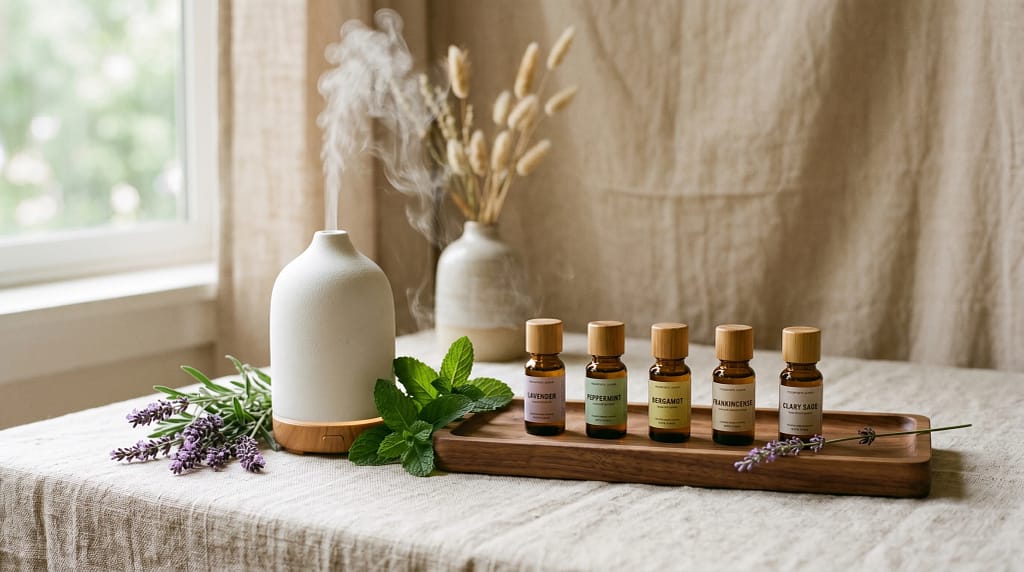
- Diffusers: Essential oil diffusers spread the scent through the air using water and vibration, making it easy for a whole room to smell fresh.
- Inhalation: Put a drop or two onto a tissue and breathe in gently. It’s quick, portable, and simple.
- Baths: Add a few drops of oil (always mix first into a carrier oil or unscented bath product) into warm bathwater for a relaxing soak.
- Massage: Mix essential oils with a neutral carrier oil (like almond or coconut oil) and enjoy a calming massage.
- Room Sprays: A DIY spray with water, alcohol, and a few drops of oil freshens up linens or air easily.
- Compresses: Add a drop to hot or cold water, soak a cloth, and use it for tension or aches.
Consistency and experimentation go a long way. The more you experiment, the easier it’ll be to figure out what works for you.
Aromatheraphy on Amazon
Safety Tips for Using Essential Oils
Essential oils are super concentrated, so using them safely is critical. Here are some basics I always follow and recommend for those starting out:
- Never put undiluted oils straight on your skin. Always mix with a carrier like sweet almond or jojoba oil. For adults, a safe blend is about 3-5 drops per tablespoon of carrier oil.
- Try a patch test first. Apply a bit of your blend to a small area of skin to check for irritation.
- Stay away from eyes, ears, and broken skin.
- Be extra careful around pets, young kids, and during pregnancy or nursing. Not all oils are safe—check trustworthy places like the National Association for Holistic Aromatherapy for advice.
- Don’t swallow oils unless your healthcare provider says it’s OK.
- Store oils cool and dark. Sunlight and heat can wreck them over time.
Smart safety steps help you avoid headaches and get results you can count on.
Things to Think About Before you Start
It’s easy to get excited and buy a bunch of oils right away, but there are a few things to keep in mind for a smoother, safer start:
- Quality Matters: Go for pure, high-quality oils from brands you can trust. Look for the Latin plant name on the bottle and third-party testing on their website. Those are quick ways to spot the real deal.
- Allergies: If you’re allergic to certain plants, always double-check the source of each oil you try.
- Cost: Price can jump around a lot. Pure oils seem expensive but last a long time since a little goes far.
- Storage: Keep them in a cool, dark spot. A wooden box or a drawer works fine.
Doing a little homework before you buy helps you track down reliable oils and set yourself up for a safe, rewarding experience.
Quality Difference? Synthetic vs. Natural Oils
Not all products labeled as aromatherapy actually use pure essential oils. Synthetic oils might smell good but they don’t give you the same wellness benefits. Stumbling upon real essential oils can seem costly at first, but just a couple of high-quality bottles will last longer and pay off with better results.
Blending Basics
After you’re comfortable with single oils, mixing blends opens up fun new options. Start with small batches; try lavender with orange for a mix of relaxation and energy, or peppermint with eucalyptus for a fresh, clean vibe. Jotting down your favorite blends helps you make a quick reference for next time, and sharing these combos with friends is part of the adventure.
Eye-Catching Features That Make Aromatherapy Worth Considering
The appeal of aromatherapy isn’t just the amazing scents, it’s also the way it fits into regular routines. Here are some ways I weave it into my day-to-day life:
- Sleep Aid: Lavender or chamomile diffusers or pillow sprays make falling asleep smoother and cozier.
- Mood Booster: Orange or lemon oils in the morning for a gentle lift when you’re starting your day.
- Focus Helper: Rosemary or peppermint at your desk to keep thoughts sharp during long stretches of work or study.
- Natural Cleaning: Tea tree and lemon oils mix well as additions to homemade cleaner sprays for a fresher, cleaner scent at home.
Whether you want a quick energy jump, an easier wind-down at night, or a fresher house, aromatherapy has got you covered.
Frequently Asked Questions
Here are some answers to common questions I get from people new to aromatherapy:
Question: Can I use essential oils if I have allergies?
Answer: You can, but it’s important to check what plant each oil comes from, and always try a patch test first. If you have any hesitations, ask your healthcare provider for advice.
Question: How do I know if an essential oil is high quality?
Answer: Spot quality oils by the Latin plant name, extraction details, and third-party test reports. Pick brands who share sourcing info freely.
Question: Can I use aromatherapy with pets around?
Answer: Some oils are a no-go for animals. Don’t let pets sniff, lick, or touch essential oils directly. Check with your vet before using oils in a pet-filled home.
Starti Your Aromatherapy Adventure… 🚀
Getting to know aromatherapy basics opens new ways to relax, boost your energy, and create cozy, welcoming spaces at home. With a few high-quality oils, a willingness to experiment, and a focus on safe use, you can put together a routine that really fits your personal needs. There’s plenty more to stumble upon, but starting simple and staying curious keeps the whole thing enjoyable and stress-free.
Global Herbalist GPT

Global Herbalist GPT is a botanical expert on herbs, their stories, and properties.
Medical disclaimer: If you suspect that you have a health problem, it’s important to seek medical attention immediately. Treatment will depend on the type of affection and may involve antibiotics, antivirals, or other medications. In severe cases, surgery may be necessary to remove an abscess or relieve pressure on organs. This blog is informative.
Thank you for reading, comments and shares!
Create your own website
And learn how to monetize it

Heads up! If you’re looking to join Wealthy Affiliate, make sure you sign up using my referral link to get access to my personal coaching and all WA features."