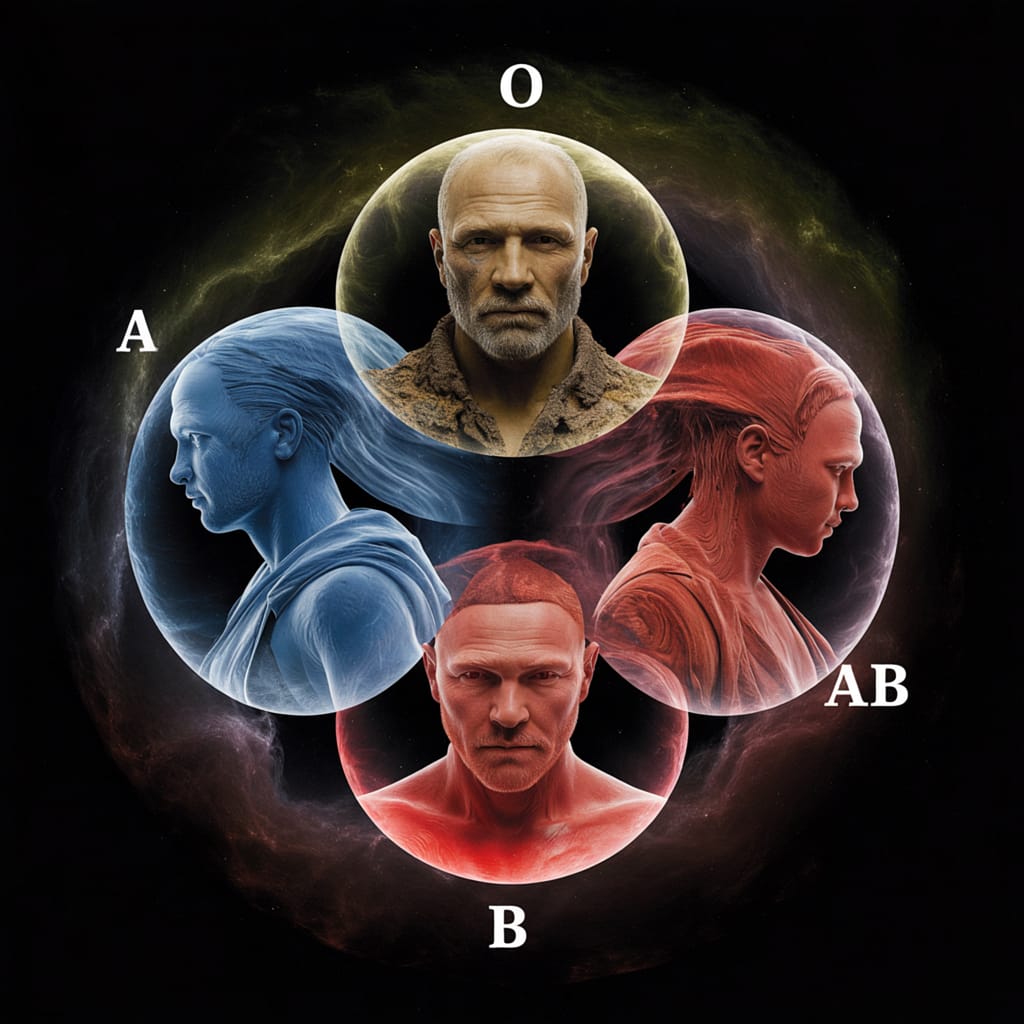
🧬 What the Science Says About Blood Type & Health Outcomes
Here’s a balanced scientific take on the idea that blood types (like A, O, B, AB) influence anxiety, immune disorders, digestion, or mental health … which relates to what you might have heard in a review or discussion.
🔎 1. The Blood Type Diet & Health Claims
There’s a popular hypothesis (originating with Peter D’Adamo’s Eat Right 4 Your Type) proposing that people with different ABO blood types should eat differently to improve health, digestion, and even mental well‑being. This idea suggests that:
- Type O needs a high‑protein, meat‑based diet
- Type A benefits from a plant‑based diet
- Type B should include a variety of foods including dairy
- Type AB is an intermediate mix
However, scientific evidence does not support these claims.Major reviews have found no robust evidence that following a blood type diet improves metabolism, digestion, immune function, anxiety, or other outcomes specifically because of your blood type. Any observed benefits are more likely due to generally healthier eating patterns (e.g., more fruits/vegetables, less processed food), not the blood type itself. (EBSCO)
🧠 2. Blood Type & Disease Risk Associations
While the diet theory lacks evidence, some associations between blood type and certain health outcomes have been observed in research — though not directly causal and unrelated to diet prescriptions:
- Immune‑related and cardiovascular differences: Some studies suggest non‑O blood types (A, B, AB) may have higher levels of clotting‑related factors, which could modestly increase risk for heart disease and clotting events. (Fedhealth Medical Aid)
- Microbiome interactions: Preliminary research hints that blood type antigens (specific sugars on red blood cells) may influence the composition of gut bacteria, which could affect metabolism and gut health — but this work is early and not yet clinically actionable. (nieuws.umcg.nl)
- Neurological outcomes: Some observational findings have linked certain blood types (like AB) to a greater risk of cognitive decline compared with others (like O); however, these are associations and not confirmed mechanisms. (Fedhealth Medical Aid)
Important Note: These associations do not mean that blood type determines personality, anxiety levels, or specific immune responses — they simply show patterns that merit further research but aren’t strong enough for diet or lifestyle prescriptions based solely on ABO type. (abc.net.au)
💡 3. Misinterpretations & Pseudoscience
The idea that blood type directly influences personality, temperament, or psychological traits like anxiety is widely considered pseudoscience in the scientific community. For example, theories common in parts of East Asia linking blood type to personality are not supported by rigorous evidence. (Wikipedia)
Likewise, the blood type diet hypothesis is generally dismissed by nutrition scientists and clinicians because systematic reviews have not found credible evidence for its specific claims. (EBSCO)
🧠 4. So What Is Meaningful?
Rather than focusing on blood type alone, current evidence suggests:
- General healthy dietary patterns (e.g., Mediterranean, plant‑forward, whole foods) are strongly supported for reduced anxiety, better immune function, and improved gut health. (Cleveland Clinic)
- Individual genetics — including blood group antigens — might shape some disease risks or microbiome features, but they’re only one part of a complex picture that includes lifestyle, environment, stress, and microbiome‑host interactions. (nieuws.umcg.nl)
- Mental health and immunity links are influenced by multiple factors (e.g., stress alters immune cells), but blood type isn’t an established mediator of anxiety or immune dysfunction. (abc.net.au)
📌 Bottom Line
✔ Blood types influence how blood reacts in transfusions — that’s scientifically established. (Wikipedia)
✖ Blood type diets lack reliable evidence for tailored nutrition or psychological outcomes. (EBSCO)
⚠ Some associations exist between blood type and disease risk factors, but these are not causal diet rules and don’t explain anxiety or immune disorders directly. (Fedhealth Medical Aid)
Medical disclaimer: If you suspect that you have a health problem, it’s important to seek medical attention immediately. Treatment will depend on the type of affection and may involve antibiotics, antivirals, or other medications. In severe cases, surgery may be necessary to remove an abscess or relieve pressure on organs. This blog is informative.
Thank you for reading, comments and shares!
Create your own website
And learn how to monetize it

Heads up! If you’re looking to join Wealthy Affiliate, make sure you sign up using my referral link to get access to my personal coaching and all WA features."