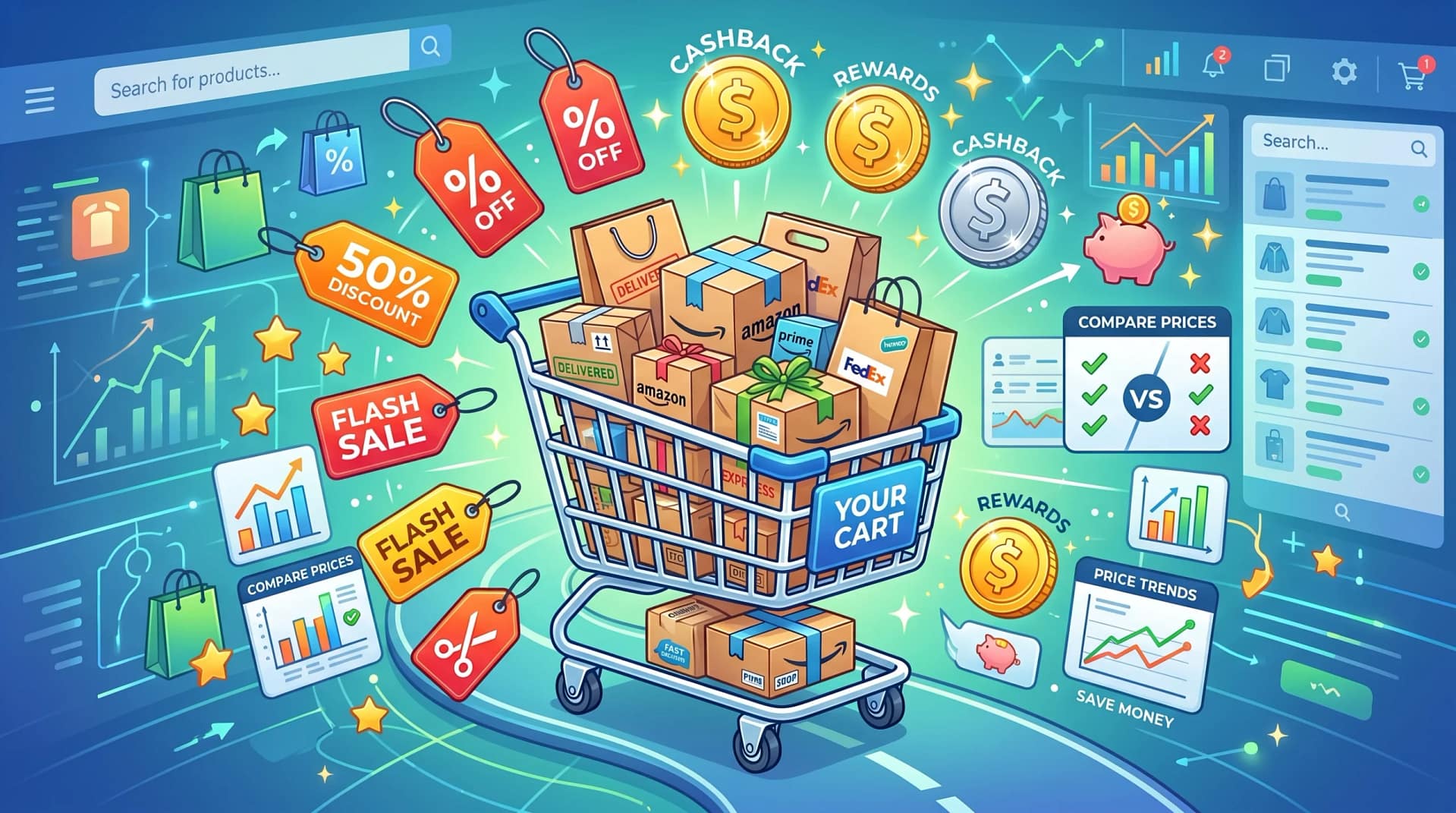
Watch The Future Trends Of Online Shopping
The world of online shopping keeps surprising me with new ideas and smarter technology every year. Shopping from home was already catching on, but some of the recent advances are game-changers. It’s pretty clear that the way people buy things online is going through major changes that make the whole process faster, more personal, and sometimes even a bit fun. So, I’m going to lay out what’s changing, what’s coming up, and what these changes could mean for anyone who enjoys or depends on online shopping.
How Technology Is Shaping Online Shopping’s Next Wave
The tech behind online shopping is moving at lightning speed. Shoppers these days expect much more than just a basic website and product photos. I’ve noticed companies pouring money into smart technologies like artificial intelligence (AI), augmented reality (AR), and next-level data analytics to deliver experiences that feel pretty cool and, at times, downright futuristic.
With AI, for example, online shops can now recommend products based on how you browse, what you like, and when you shop. I find it pretty handy when the site “just knows” the types of products I’m looking for. Some brands even use chatbots that are smart enough to offer support, answer questions, or walk you through an order, all without a human rep stepping in.
AR has started to pop up in some really creative ways. Think of trying on sunglasses using your phone camera, or seeing how a new couch might look in your living room without ever leaving your house. These AR previews are making it easier to picture a purchase before clicking that “Buy Now” button.
Behind the scenes, next-level analytics track and interpret browsing patterns, time spent on products, and even shopping times—helping businesses make more accurate suggestions. As data becomes central to online shopping, expect even more accurate forecasting for sales and improved product recommendations. This could lead to improved inventory management, less wasted stock, and fewer missed opportunities for shoppers to stumble upon the right item at the right time.
Trends in Customer Experience
Having a slick website isn’t enough anymore; folks want an experience that feels smooth and tailored just for them. Personalization tools are taking center stage, with brands showing items you’ve browsed before or running deals that seem targeted just for your shopping habits.
One trend I’m really watching is the focus on faster and more flexible delivery. Some retailers let you choose delivery windows or provide real-time package tracking. Companies like Amazon are pushing limits with same-day or even two-hour delivery in some locations. This means shoppers can get what they want almost when they want it, matching their active routines and busy schedules.
Another area that keeps getting attention is sustainability. Lots of people care about where their stuff comes from and how it’s made. Brands are responding by offering greener packaging, more transparent sourcing, and easy ways to recycle or return products. Shopping online can now actually be part of a more ecofriendly lifestyle. Some companies even allow you to track the carbon footprint of your orders or participate in packaging return programs.
Customer loyalty programs have also evolved. Instead of vague point systems, many retailers now provide tiered rewards, early access to new releases, birthday discounts, and exclusive events that add value beyond just cashbacks. Little touches like these make shopping feel more like a personal relationship than a simple transaction.
Mobile Shopping and Social Commerce
Shopping on your phone has gone from being a nice bonus to the main way many people—myself included—do their buying. Mobile apps and sites are now built to be super fast and easy to use, with most of them offering features like fingerprint login, saved carts, and “swipe to pay” setups. Automatic reminders about abandoned shopping carts help keep me on track when I forget to finish an order.
Social media isn’t just for sharing memes or chatting with friends anymore. More online stores are opening up shop right inside Instagram, Facebook, and TikTok feeds. You click on a product, get all the info you need, and sometimes even buy it without leaving the app. For a lot of smaller brands, selling through social media makes it way easier to connect with people who are already drawn in by the latest trend or influencer post.
Social shopping also means real-time community reviews, live video demonstrations, and quick Q&A with other buyers—all of which help make informed decisions. Shopping events hosted by influencers or the brands themselves create excitement and a sense of urgency. This more social, personal approach is becoming a major part of the online shopping adventure.
Emerging Tech? Virtual Reality, Voice Shopping, and Beyond
While AR is already changing things, virtual reality (VR) is looking like the next step up in how people might shop online. Imagine putting on a headset and walking around a virtual clothing store, browsing racks with your hands, and even chatting with other shoppers or sales staff represented by avatars. I’ve tried a few early versions of this, and it really does make online shopping feel totally different—even more immersive than sitting at a computer.
Voice shopping is gaining ground, too. Lots of people are learning to use voice assistants, like Alexa and Google Assistant, to shop hands-free. You can simply say, “Order more coffee” or “Find me wireless earbuds on sale,” and your smart speaker takes care of the rest. This hands-off approach is especially helpful for people multitasking or looking for something while cooking or cleaning. Voice search is also getting better at understanding specific requests, making it easier to score deals or reorder your favorites.
Looking ahead, advances in payment technologies, such as biometric authorization, digital wallets, and cryptocurrencies, are expected to be adopted by more online shoppers. This might change how payments are processed and give buyers extra flexibility in how they handle their money.
What Shoppers Should Watch Out For
Some of these changes sound pretty exciting, but I think it’s really important to keep an eye out for a few things that go along with this wave of innovations. Privacy and data security are huge topics in the world of online shopping. The more companies use your data to personalize the experience, the more you want to make sure they’re using it safely and responsibly. Always check if the site is secure and see what information is being collected before sharing anything sensitive.
Returns and customer service are still major deciding factors for most people I talk to. Even with all the new tech, if you can’t reach someone for help or have a hard time returning an item that doesn’t fit, all the convenience goes out the window. Reliable support, fair return policies, and openness about how your details are handled are still super important.
Privacy and Security
Online stores use your info to make shopping personal and convenient, but shoppers need to know how that data is being used. Look for privacy policies, read through them (even if they seem boring), and opt out of data sharing if that makes you more comfortable. Two-factor authentication, secure payment methods, and transparent privacy guarantees are all good signs that a company takes your info seriously.
To add a layer of safety, consider using virtual credit card numbers or payment services like PayPal that do not share your card details directly with merchants. Updating your passwords regularly and avoiding public Wi-Fi can also help protect your personal data while you shop.
Returns and Customer Support
There’s nothing more frustrating than struggling to return something you bought online. I always check out return policies before buying, especially for higher-priced items. Chat support and quick email responses are green flags for brands that care about their customers. It’s worth looking up reviews or user feedback to see how a business handles support before making a big purchase.
Keep an eye on shipping fees, restocking charges, and timelines for returns. Plus, top-rated companies often provide preprinted return labels and free return shipping to smooth the process for buyers. The more transparent and customerfriendly the process, the better your experience will be.
Quick Guide for Making the Most of Future Shopping Trends
Anyone trying to get ahead of the curve in online shopping can take a few simple steps to stay on top of the latest trends:
- Explore New Tech Features: Try out AR previews or voice-activated search features offered by your favorite shops. Getting hands-on experience with these tools helps you shop smarter.
- Check Security Settings: Always use secure connections, update passwords, and review what info you’re sharing with retailers. Review app permissions regularly to keep your data safe.
- Look for Sustainable Options: Choose brands that focus on greener practices and less waste, especially if sustainability matters to you. Brands are increasingly labeling products to show their environmental impact, so keep an eye out for ecofriendly badges or certifications.
- Follow Brands on Social Media: Stay up to date on deals, exclusive drops, and new trends by connecting on Instagram, TikTok, or Facebook. Social platforms let you ask quick questions and get a sense of a company’s vibe before buying.
- Provide Feedback: Share your thoughts on new features or tech experiments; it helps companies know what works (or doesn’t) for real shoppers. Your feedback can directly shape the next update or create more userfriendly shopping options.
Trying out these steps will help you get the most out of shopping online while making smart, safe choices along the way. Staying informed and adapting to the latest features can also help you snag better deals and discover unique products.
Real-World Impact? Stories and Examples
To show how these trends are showing up in everyday shopping, here are a few practical stories. I remember using an AR app to preview how a lamp would look on my bedside table; it saved me from ordering the wrong size. A friend recently bought makeup after testing different shades virtually on a beauty retailer’s app, and she was much happier with her selection since she could see the results ahead of time.
Some people in my circle use voice commands to reorder basics like dog food, and they appreciate how it fits right into their busy schedules. Meanwhile, smaller local businesses are starting to sell directly through their Instagram stories, cutting out the middleman and connecting instantly with their audience. These changes aren’t just trends, they’re real improvements that are making online shopping simpler and more enjoyable.
- Home Décor Shopping: Using AR to visualize furniture and decor before buying reduces risk and increases satisfaction.
- Personalized Recommendations: AI-powered suggestions save time and introduce shoppers to items they might have missed otherwise.
- Green Packaging: Sustainable shipping materials and less packaging waste appeal to eco-minded shoppers.
In one case, a friend who recently moved used a combination of AR previews and instant customer chat to completely furnish his new apartment. He told me it made shopping way less stressful because he could see what everything would look like and get answers immediately if he had questions about fit or delivery. Even though he bought from several brands, the process felt unified—almost like having a digital shopping assistant by his side the whole time.
Frequently Asked Questions
Here are some questions people usually ask about the future of online shopping:
How can I make sure my data is safe when shopping online?
Answer: Stick with well-known retailers, use secure payment methods, and look out for the lock symbol in your browser address bar. Check privacy settings in your accounts and turn on two-factor authentication where it’s offered. Consider paying via thirdparty services that shield your payment information.
What’s the biggest benefit of AR or VR shopping?
Answer: These tools give a much better feel for products before buying and reduce the chance of disappointment or hassle with returns. You can preview size, style, and functionality from the comfort of home.
Is shopping through social media really reliable?
Answer: Many social shopping experiences are smooth, but it helps to check reviews and confirm that the retailer is legitimate before entering payment details. Most platforms offer some sort of buyer protection, but caution goes a long way. Look for verified accounts and a history of positive customer feedback.
Summary
Online shopping is moving fast, with smarter technology, personalized support, and creative new ways to experience products from your living room. Whether it’s AR, faster delivery, or better privacy controls, paying attention to these trends helps turn shopping into something that’s both safe and enjoyable. As these innovations keep rolling out, I’m excited to see how shopping from home just keeps getting better and easier for everyone.
Smart Shopper Guide GPT

Your dynamic, eco-conscious shopping assistant for personalized, sustainable choices.
Thank you for spreading the word!
Create your own website
And learn how to monetize it

Heads up! If you’re looking to join Wealthy Affiliate, make sure you sign up using my referral link to get access to my personal coaching and all WA features."