Eco-Friendly DIY Projects For A Sustainable Home
If you’re looking to make your home more environmentally friendly without breaking the bank, ecofriendly DIY projects are a great place to start. Working on these projects has helped me reduce waste, save money, and make my space look pretty cool, too. Whether you’re an experienced DIY enthusiast or just starting out, there are plenty of simple changes and creative builds that go a long way toward creating a sustainable home.
Why Ecofriendly DIY Projects Matter for a Sustainable Home
Bringing some ecofriendly habits into your home can cut down on your environmental impact, save you some cash, and even give your health a boost. Making your own cleaning products, upcycling old furniture, or building minigardens has helped me waste less and get a sense of accomplishment out of simple weekend tasks.
According to the Environmental Protection Agency, the average American throws away over 4 pounds of trash a day. A lot of that is avoidable if you get a little creative with materials you already have. DIY projects aren’t just about recycling; they’re about rethinking the way you buy, use, and even discard things around the house. Even small changes can snowball into real benefits for the environment and your wallet.
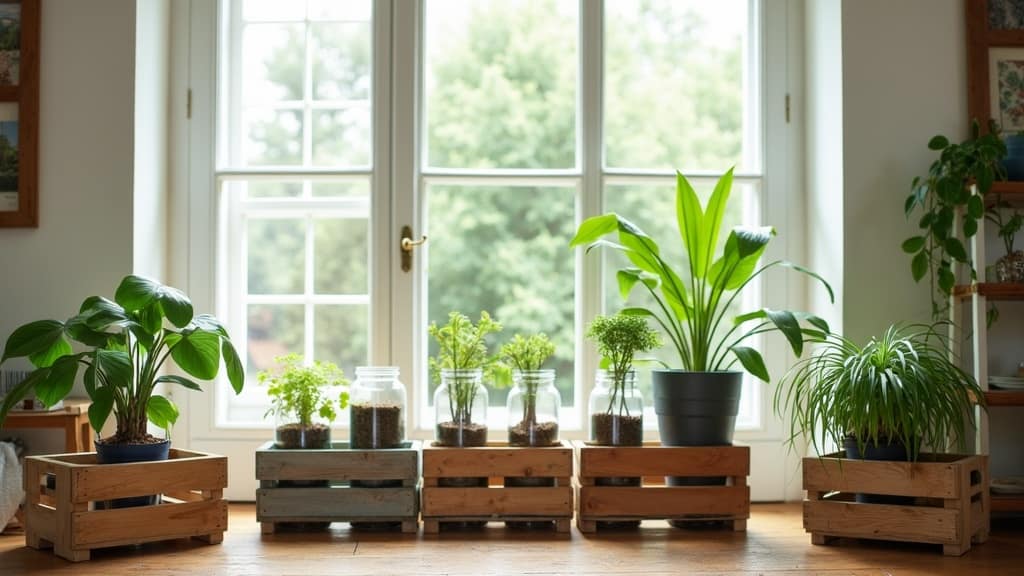
Instead of buying new storage containers or furniture, for example, I’ve found ways to refresh and reuse what I already have. This reduces demand for new products (and all the resources that go into making them), and keeps things out of the landfill. Growing my own herbs or veggies—even in little recycled containers—also means fewer trips to the store and less packaging waste.
Get Started With Simple DIY Sustainability Swaps
Starting small is usually the best way to go. If big projects seem overwhelming, these simple swaps are easy to try and don’t require a lot of specialized tools or skills.
- Reusable Shopping Bags: Make your own from old Tshirts or pillowcases. They’re durable and washable, and you can totally customize them.
- Natural Cleaning Products: Homemade cleaners using vinegar, baking soda, and lemon are super effective and much safer for the environment than many storebought options.
- Upcycled Storage Jars: Glass jars from jams or sauces work well for storing pantry staples, office supplies, or even bathroom essentials—just add a label for style.
A lot of these projects take just a few minutes, and honestly end up saving you money almost right away. Plus, you can personalize them to fit your kitchen or living space.
DIY Projects for Every Room in the House
Taking it to the next level, you can set up simple (or more hands on) projects in pretty much every room. Here are some ideas that have worked well for me and are worth trying:
Kitchen
- Compost Bin: Compost food scraps right on your countertop or outside. I’ve used an old coffee tin as a starting point, then moved up to a wooden crate for bigger batches.
- Beeswax Food Wraps: These substitutes for plastic wrap are easy to make with fabric scraps and a bit of beeswax. They keep my food fresh and look fun in the fridge.
Living Room
- Upcycled Furniture: Repainting or refinishing old tables and chairs gives them new life. I recently turned a worn out dresser into a stylish TV stand with some sanding and a coat of ecofriendly paint.
- DIY Fabric Pillows: Sew pillow covers using old shirts, sheets, or fabric remnants. It’s low cost and cuts down on waste.
Bedroom
- Pallet Bed Frames: Old shipping pallets can be sanded and stacked for a rustic bed frame with lots of personality.
- Recycled Closet Organizers: Use cardboard boxes or leftover wooden planks to create shelf dividers or organizers. You can decorate them however you want.
Bathroom
- Homemade Toiletries: Many daily essentials like deodorant, toothpaste, or even soap can be made at home from simple, natural ingredients. I’ve saved money and cut back on plastic trash with my homemade deodorant recipe—just baking soda, coconut oil, and a few drops of essential oil.
- Repurposed Towel Hooks: I use driftwood or leftover cabinet knobs to add a creative twist to my towel rack, and it looks great.
Garden or Balcony
- DIY Rainwater Collection: Set up a barrel (sometimes you can score one free from a car wash or food wholesaler) to catch rainwater for watering your plants. Make sure it’s sealed and covered to keep out bugs and debris.
- Planters from Old Containers: Cans, jars, tires, and even worn out shoes make surprisingly sturdy planters for herbs, flowers, or succulents. Drill drainage holes before adding soil and seeds.
Things To Keep In Mind Before Starting Ecofriendly DIY Projects
Every DIY project has its quirks, and ecofriendly upgrades have a few things you’ll want to be aware of to make sure your projects turn out great:
- Material Safety: Always doublecheck that the items you’re reusing are safe, especially for storage or edible plants. Some pallets, for example, have been treated with chemicals not suitable for inside uses.
- Tool Basics: Most small projects don’t need fancy gear, but a good set of screwdrivers, a hand saw, and some nontoxic paint or wood stain comes in really handy for a lot of upcycling work.
- Maintenance: Homemade and upcycled things sometimes need a little more TLC than storebought stuff. A quick check every few months keeps things looking good and working properly.
Material Safety
It’s important to know where your supplies come from. For example, only use pallets marked “HT” (heat treated) for furniture, as “MB” means it’s been chemically treated. If you’re using old containers for growing food, make sure they’re foodsafe. A little research up front goes a long way toward avoiding surprise headaches later.
Choose Durable Materials
Not all upcycled materials are made the same. Some old woods, fabrics, or plastics hold up better over time. I stick with glass, stainless steel, and untreated hardwoods when possible for anything meant to last.
Source and Budget
Many cities have creative reuse centers or online buynothing groups where you can find free or inexpensive supplies. Sometimes all you need is a quick message online, and you have more empty jars, spare wood, or fabric than you know what to do with. This has saved me loads of money, and it’s so rewarding to see what you can track down locally. If your community has garage sales or swap meets, check them out for awesome finds—you might be surprised at what you stumble upon.
Pro Tips For Taking Ecofriendly DIY Projects Further
Once you’re comfortable with smaller swaps and basic builds, you can get bolder with your sustainability efforts. Here are some tips that helped me:
Set Up A Home Recycling Station: Having clear bins with labels in the kitchen or garage makes it easy for family and guests to sort things correctly. Adding a cardboard box for clothes or electronics you plan to donate simplifies decluttering, too.
Solar Powered Gadgets: Small solar chargers are easier to make than you might think and can be used to power garden lights, phone chargers, or even simple fans. If you’re interested in a bigger project, check out DIY solar panel kits online to find one that fits your needs and budget.
Start a Scrap Material Bin: Keep a box for leftover fabric, wood, jars, and even twisties. I’ve been surprised how often these come in handy when a new idea pops up. Less waste and fewer runs to the store is always a win, and it encourages you to think outside the box about the supplies you have on hand.
Ecofriendly DIY Project FAQs
If you’re getting started with ecofriendly DIY, these are questions I hear a lot:
Question: What’s the easiest ecofriendly project I can do today?
Answer: Turning an old tshirt into a reusable bag is super quick and doesn’t need any sewing skills. Just cut and tie the fabric, and you’ve got a bag for groceries or library books.
Question: How do I make sure my upcycled items are safe and clean?
Answer: Give everything a good wash with hot, soapy water, and check for any signs of rust, mold, or cracks before using. For things you’ll use with food, make sure they were originally foodsafe and not used for chemicals or cleaners.
Question: Where can I find project ideas and resources?
Answer: Websites like Instructables, Pinterest, and Treehugger are full of ecofriendly DIY project walkthroughs. I’ve also gotten cool ideas just by searching for “upcycling” plus whatever item I need—like “upcycling wine bottles” or “DIY fabric scraps.” If you browse local library workshops, you might find hands-on classes that make these concepts even easier to put into action.
Get Started With A Greener Home
Ecofriendly DIY projects aren’t just a crafty way to personalize your space; they’re a real step toward a sustainable lifestyle. Each swap, upcycle, or homemade item cuts down waste, saves money, and helps you live more simply and with intention. There’s always something new to try, and the best part is every little effort adds up to big results for both your home and the planet. So if you’ve got a weekend free or a pile of old jars, take the leap and see what you can make happen—you’ll be surprised at how good it feels to build sustainability with your own two hands.
Basic Tool Kit on Amazon
DIY Materials on Amazon
-

Best Sustainable Skincare Brands for Every Budget in 2026
-
How to Choose Home Decor that lasts
-

The first audio book
-

Explore Global Street Foods as A Culinary Adventure
Global Herbalist IT
A GPT botanical expert on herbs, their stories, and properties.
Global Herbalist IT is a comprehensive botanical resource, specializing in herbs from around the world and their unique medicinal applications. It offers detailed information about each herb, including uses, origins, availability, cultural significance, and now, known side effects. This addition ensures users are well-informed about potential risks. The GPT features advanced language support, region-specific details, and interactive learning tools like quizzes, games, and virtual simulations. It also includes a herb identification feature, a user feedback mechanism, and collaborates with experts for content accuracy. Global Herbalist IT continues to provide practical advice on growing herbs, traditional herbal remedies, and emphasizes the importance of consulting healthcare professionals, reinforced by a strong medical disclaimer.
Thank you for reading, comments and shares!
Create your own website
And learn how to monetize it

Heads up! If you’re looking to join Wealthy Affiliate, make sure you sign up using my referral link to get access to my personal coaching and all WA features."