Seasonal Cooking & Using Fresh Ingredients Year-Round
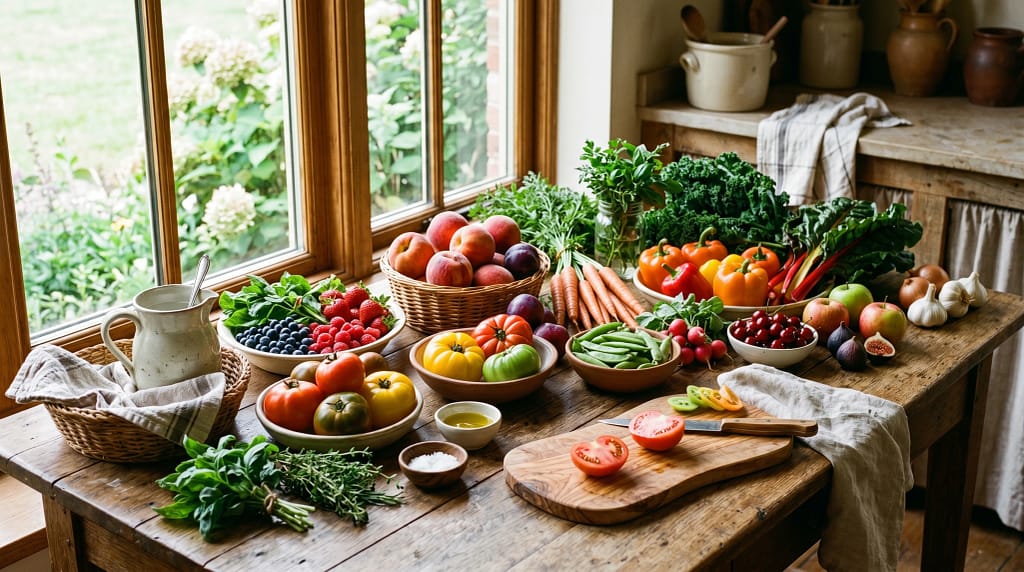
When I think about my favorite meals, the ones that stand out are always packed with fresh, vibrant flavors. Cooking with seasonal ingredients is one of the easiest ways to get those flavors onto the plate. You don’t have to be a chef to make it work. Whether it’s sweet local strawberries in early summer, crisp apples in the fall, or cozy root veggies in the winter, seasonal cooking simply means making the most of what’s fresh at any particular time of year.
Shopping seasonally doesn’t just make your food taste better. It’ll probably save you some cash at the grocery store, bring new variety to your meals, and even support your local farmers. If you’re new to this idea or want to get more consistent with it, I’ve put together practical tips for enjoying fresh ingredients year-round. You’ll bump into meal ideas, storage tricks, a handy seasonal ingredient guide, and real pointers for making seasonal cooking work in any home kitchen.
Why Seasonal Cooking Matters
Eating with the seasons isn’t just a trend. It’s actually a smart way to make your meals taste great while supporting your health and your community. Freshly picked produce is at its best: flavorful, colorful, and packed with nutrients. Plus, when fruits and veggies are in peak supply, they usually cost less because transportation and storage are easier.
- Better taste and texture – Fresh picked food hasn’t been sitting around, so you’ll notice a big difference on your plate.
- More nutrients – The sooner you eat produce after harvest, the more vitamins and minerals you get.
- Lower cost – Local, in season items often come in at a lower price since they don’t have to travel far.
- Support for local farmers – Buying produce grown nearby helps your community thrive.
- Less environmental impact – Sustainable choices mean fewer “food miles” and reduced packaging.
Cooking this way encourages you to try new foods too. I used to be totally unaware of what produce was in season, but exploring farmers markets and paying attention at the grocery store opened up a whole new world of tasty possibilities. Plus, you get to support small-scale growers right in your own area, making each meal feel more connected to your community.
Get Started and Know What’s In Season
Seasonal ingredients vary from region to region, but there are some common patterns you’ll spot anywhere. Here’s a cheat sheet I use when planning out my meals:
- Spring: Asparagus, radishes, peas, baby greens, strawberries, rhubarb
- Summer: Tomatoes, cucumbers, zucchini, corn, peaches, berries, melons
- Fall: Apples, pears, squash, carrots, sweet potatoes, Brussels sprouts
- Winter: Citrus fruits, kale, cabbage, beets, potatoes, leeks
Local farmers markets usually showcase what’s in season, but many grocery stores label produce with where it’s grown. I keep a printed list on my fridge for quick reference, and I like using seasonal food guides like those from Seasonal Food Guide for specific regions. And remember, as you check the shelves, sometimes what’s featured front and center is actually what’s freshest during that time of year.
Step-by-Step? Bring Seasonal Cooking into Your Kitchen
1. Start Small; Swap One Ingredient
Switching your whole meal plan at once can feel overwhelming. Instead, I pick one ingredient per week to switch in for a seasonal fresh option. For example, I’ll use summer zucchini instead of frozen peas in my stirfries, or roast up butternut squash instead of potatoes in fall. This keeps things interesting without turning shopping or cooking into a big project. It’s a smooth way to add color and excitement without extra stress.
2. Shop Like a Pro
- Visit farmers markets – You’ll usually find local produce at its peak, and talking to vendors is a great way to stumble upon what’s extra fresh.
- Look for sales – Grocery stores often discount in season items due to a plentiful supply.
- Try Community Supported Agriculture (CSA) boxes – You can get a weekly or biweekly haul of just harvested produce, often with recipe tips included.
3. Learn Basic Prep and Cooking Methods
Even if I’m not familiar with a new veggie, there are a few simple ways to make it taste good every time. Roasting, grilling, steaming, or tossing it in a quick salad really brings out the flavor. When I bump into a new seasonal ingredient, I usually start by tasting it raw, then try roasting or sauteing it to see how the flavors switch up.
Smart Meal Planning with Seasonal Ingredients
Meal planning is super handy for fitting fresh ingredients into your cooking routine. Here’s how I make it easy:
- Choose recipes based on what’s fresh – I flip through seasonal cookbooks or food blogs for inspiration. Search for recipes with whatever catches your eye at the market.
- Use the “mix and match” method – Pair a protein (like chicken, tofu, or beans) with two or three seasonal veggies, prep them simply, and mix up sauces or spices for variety.
- Build flexible meals – Stirfries, grain bowls, soups, and salads are perfect for tossing in whatever’s in season.
This approach saves time, cuts down on food waste, and keeps meals exciting. Seasonal cooking isn’t about complicated dishes. It’s about letting great ingredients shine and making each meal special. For added fun, try writing the week’s seasonal picks on a chalkboard or notebook in your kitchen—you’ll remember what’s on hand and help keep meals fresh and new.
Storage Tips? Keep Fresh Produce Lasting Longer
If you sometimes go overboard with eye-catching in season produce (guilty here!), smart storage saves money and prevents waste.
- Leafy greens and herbs – Store like bouquets. Clip stems, pop in a glass of water, and cover with a plastic bag in the fridge.
- Berries – Keep dry and unwashed until you’re ready to eat; store in a shallow container for airflow.
- Root vegetables – These stay fresh in a cool, dark spot. Remove the tops from carrots or beets so they don’t draw out moisture.
- Tomatoes – Best left at room temperature for real flavor; refrigerate only if they get overripe.
If I can’t use something quickly, I’ll freeze extras (like berries, corn, or blanched greens), or try quick pickling for a twist. Try labeling your frozen produce with the date and ingredients too. It’ll save guessing later and help you cycle through the oldest first for less waste.
Seasonal Cooking Through the Year? Example Meals by Season
Spring
- Pea and asparagus risotto
- Spring greens salad with strawberries and goat cheese
- Lemon herb roasted chicken with radishes and new potatoes
Summer
- Heirloom tomato and cucumber salad
- Grilled zucchini and corn tacos
- Fresh peach crisp
Fall
- Roasted butternut squash soup
- Apple and cheddar quesadillas
- Beet and carrot slaw
Winter
- Kale and white bean stew
- Oven roasted root veggies with citrus vinaigrette
- Grapefruit avocado salad
Recipes like these are super adaptable—just mix in the best looking produce you find each week. Swap, experiment, and have fun letting new favorites surprise you. Try adding toasted nuts to salads, sprinkling fresh herbs at the end of roasting, or using seasonal fruits in savory dishes for twists that brighten up a regular meal.
Common Questions About Seasonal Cooking
What if I only have access to grocery stores?
Luckily, even big grocery chains carry a good amount of seasonal produce. You just have to spot what’s showing up in big displays or on sale. Many groceries now show the source, so look for local or regional labels. Get to know the produce manager; they can sometimes tip you off about what’s coming in fresh each week, or what to expect in the next season.
How can I tell if something’s really fresh?
I look for bright, even color, a firm feel, and no wrinkles or mushy spots. If it smells great, it’s probably fresh. Produce with minor blemishes is still perfectly good for roasting, soups, or smoothies too. In fact, sometimes those slightly imperfect veggies are the best bargain, and cooking them can make any flaws disappear.
Are frozen or canned options worth it?
Absolutely. Frozen and canned fruits and veggies can fill in gaps when fresh isn’t available. They’re picked at peak ripeness and are a great way to keep meals balanced year-round. Just check labels for added sugar or salt, and rinse canned items if needed for fresher flavor.
Action Steps: Make Seasonal Cooking Part of Your Routine
- Pick one seasonal ingredient this week. Find a new way to use it, or swap it in for something in a recipe you already love.
- Check out a local farmers market or look for in season displays at your grocery store.
- Try a basic cooking method (like roasting or tossing in a salad) to really enjoy the natural flavors.
- Keep a simple notebook or phone log of new ingredients you try throughout the year. This makes it easier to remember favorites and go back to what worked best in past seasons.
Exploring seasonal produce is fun, affordable, and makes every meal a little more special. There’s always something fresh to try, and each season brings new flavors to your kitchen. Every little step you take makes your food tastier and your cooking routine feel renewed. Bottom line: seasonal cooking keeps the kitchen fun—and your meals eye-catching, delicious, and more nourishing, all year long.
Seasonal Menu Wizard
The Seasonal Menu Wizard GP tailors menus to ingredient choices and cooking expertise.
Thank you for reading, comments and shares!
Create your own website
And learn how to monetize it

Heads up! If you’re looking to join Wealthy Affiliate, make sure you sign up using my referral link to get access to my personal coaching and all WA features."